
Pradhan Mantri Awas Yojana
The Pradhan Mantri Awas Yojana (PMAY) is one of the most significant housing initiatives launched by the Government of India. Introduced in 2015, the scheme is aimed at providing affordable housing to all citizens, particularly to the economically weaker sections (EWS), low-income groups (LIG), and middle-income groups (MIG). The scheme reflects the government’s vision of ensuring “Housing for All by 2022”, a mission that combines social welfare with economic growth.
Owning a house is a basic human need and a symbol of security and stability. Recognizing this, the Indian government designed PMAY to make homeownership accessible, affordable, and sustainable for citizens across urban and rural areas.
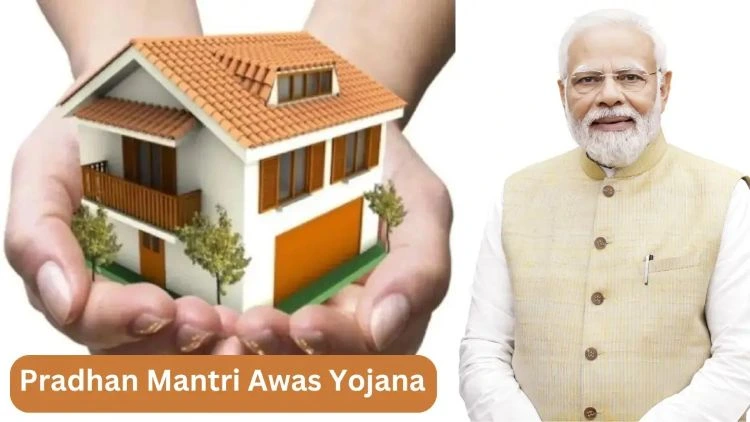
What is Pradhan Mantri Awas Yojana (PMAY)?
PMAY is a comprehensive housing scheme that provides financial assistance, subsidies, and other support for purchasing, constructing, or improving houses. The scheme is designed to cater to citizens across urban and rural areas, ensuring no section of society is left behind.
The scheme has two main components:
- PMAY-Urban (PMAY-U): Focuses on urban areas, particularly slum dwellers, EWS, LIG, and MIG categories. It aims to upgrade slums, provide affordable housing, and improve living standards in urban settlements.
- PMAY-Gramin (PMAY-G): Targets rural areas and aims to provide pucca houses for rural poor families. This component ensures that even citizens in remote villages have access to safe and durable housing.
Pradhan Mantri Awas Yojana (PMAY) – Key Highlights
| Feature | Details |
|---|---|
| Official Website | https://pmaymis.gov.in/ |
| Launch Date | 25th June 2015 |
| Grievances / Suggestions | grievance-pmay@gov.in |
| Toll-Free Numbers | HUDCO: 1800-11-6163 NHB: 1800-11-3377, 1800-11-3388 |
| Office Address | Pradhan Mantri Awas Yojana, Ministry of Housing and Urban Affairs Nirman Bhawan, New Delhi – 110011 Contact: 011-2306-3285, 011-2306-0484 Email: pmaymis-mhupa@gov.in |
| PMAY Guidelines | Download Manual |
Key Features of PMAY
- Subsidy on Home Loans: PMAY offers interest subsidies under the Credit Linked Subsidy Scheme (CLSS).
- Inclusive Coverage: Priority is given to women, SC/ST, differently-abled citizens, and marginalized sections.
- Technology-Driven Monitoring: Digital platforms and GIS tools are used to monitor project progress.
- Eco-Friendly Construction: Encourages the use of sustainable building materials and disaster-resistant housing.
Objectives of PMAY
The main objectives of PMAY include:
- Ensuring affordable housing for all by 2022.
- Improving living conditions in urban slums and rural settlements.
- Providing financial support and interest subsidies to reduce the burden of home loans.
- Promoting inclusive growth by giving priority to women and marginalized groups.
- Encouraging environment-friendly and sustainable construction techniques.
PMAY Beneficiaries and Subsidy Details
| Beneficiary Category | Annual Income | Eligible Subsidy (%) | Additional Eligibility |
|---|---|---|---|
| Economically Weaker Section (EWS) | Up to Rs. 3 lakh | 3% | Women from EWS group, SC/ST/OBC individuals |
| Lower Income Group (LIG) | Rs. 3 lakh – Rs. 6 lakh | 4% | Women from LIG group, SC/ST/OBC individuals |
| Middle Income Group I (MIG I) | Rs. 6 lakh – Rs. 12 lakh | 6.5% | — |
| Middle Income Group II (MIG II) | Rs. 12 lakh – Rs. 18 lakh | 6.5% | — |
Eligibility Criteria for PMAY
The eligibility for PMAY is based on income groups, age, and property ownership. Below are the detailed criteria:
- Economically Weaker Section (EWS) includes families earning up to ₹3 lakh per year.
- Low-Income Group (LIG): Household earning ₹3 lakh to ₹6 lakh per year.
- Middle-Income Group (MIG): Divided into two categories:
- MIG-I: Annual income ₹6 lakh to ₹12 lakh
- MIG-II: Annual income ₹12 lakh to ₹18 lakh
Other conditions include:
- The applicant should not have a permanent house anywhere in India.
- Must be a citizen of India.
- Women, especially single women, are given preference in applications.
Special Provisions
- Women Ownership: In urban areas, houses under PMAY-U must be in the name of the female head of the household.
- SC/ST Preference: Scheduled Castes and Scheduled Tribes are given priority to ensure social inclusivity.
- Physically Challenged Citizens: Special provisions exist for differently-abled individuals, ensuring they have access to housing benefits.
Benefits of PMAY
PMAY offers a wide range of benefits that make it a popular and effective housing initiative:
- Interest Subsidy on Home Loans: The scheme offers interest subsidies up to 6.5% for EWS and LIG categories under the Credit Linked Subsidy Scheme (CLSS). This significantly reduces the EMI burden on families.
- Affordable Housing Options: Homes constructed under PMAY are cost-effective and built using modern, durable construction techniques. This makes homeownership achievable even for low-income families.
- Financial Assistance for Rural Areas: Under PMAY-Gramin, rural families receive direct financial support to construct pucca houses with basic facilities like water, electricity, and sanitation.
- Priority to Women and Vulnerable Groups: Women, single women, and marginalized sections receive special consideration, promoting social equity.
- Government Support and Monitoring: The government provides funding, digital monitoring, and project tracking to ensure timely completion of housing projects.
- Environmental Benefits: Encourages the use of eco-friendly and disaster-resistant materials, ensuring homes are safe, sustainable, and energy-efficient.
How to Apply for PMAY
Applying for PMAY is straightforward and can be done online or offline.
Online Application
- Visit the official PMAY website: https://pmaymis.gov.in.
- Select the appropriate component (PMAY-U or PMAY-G).
- Complete the form with your personal, income, and property information
- Upload required documents.
- Complete the form and record the application ID for future tracking.
Offline Application
- Visit Common Service Centers (CSCs) or local municipal offices.
- Collect the PMAY application form.
- Fill the form and attach required documents.
- Submit the form at the CSC or municipal office.
Required Documents for PMAY
- Identity proof (Aadhaar, Voter ID, PAN)
- Income certificate
- Land ownership documents (if applicable)
- Passport-size photographs
- Bank account details for subsidy transfer
After submission, applicants can track the status of their application online using the application ID.
How to Check Your PMAY Application Status
You can quickly see the status of your PMAY application by visiting the official site at https://pmaymis.gov.in. Log in, go to the Application Status or Tracking section, and follow the instructions to see the current progress of your application.
How to Update Your PMAY Application Details
If you need to modify your application after submission, follow these steps:
- Visit the official PMAY website.
- Enter your application reference number and Aadhaar details.
- Click on the Edit option.
- Make the necessary changes and save your updated application.
PMAY Progress and Impact
Since its launch in 2015, PMAY has made significant strides in reducing homelessness and improving living standards in India:
- Urban Housing: Millions of homes have been sanctioned and constructed for slum dwellers and LIG/MIG families.
- Rural Housing: Under PMAY-G, over 2.5 crore houses have been completed in rural areas, providing safe and dignified living for poor families.
- Loan Subsidies: Thousands of families have benefited from the CLSS interest subsidy, reducing the financial burden of home loans.
PMAY has not only helped citizens own homes but also boosted the construction industry, generating employment and stimulating the economy.
Challenges and Way Forward
Despite its success, PMAY faces some challenges:
- Delayed Construction in Certain Areas: Infrastructure and resource issues sometimes delay house construction.
- Awareness Gaps: Many eligible citizens, especially in rural areas, are still unaware of the scheme.
- Sustainable Development: Need to ensure all houses meet eco-friendly and disaster-resistant standards.
- Urban Planning: Rapid urbanization requires careful planning to avoid overcrowding and ensure adequate facilities.
The government continues to improve PMAY through:
- Awareness campaigns and outreach programs.
- Digital platforms for monitoring construction progress.
- Increasing funding for urban and rural housing projects.
- Encouraging public-private partnerships to accelerate housing delivery.
Success Stories
PMAY has changed the lives of millions of Indians. For example:
- In rural Maharashtra, a widow living in a small kutcha house received a pucca house under PMAY-G, giving her family safety and security.
- In Delhi, a slum redevelopment project under PMAY-U provided multi-story housing units with modern amenities for low-income families.
These examples demonstrate how housing transforms lives, providing not only shelter but also dignity, safety, and stability.
PMAY Customer Care Helpline
For assistance regarding the application process, interest rates, or other PMAY-related queries, applicants can contact the toll-free helpline numbers based on their location:
- Urban (HUDCO): 1800-11-6163
- Urban (NHB): 1800-11-3388 / 1800-11-3377
- Rural (Gramin): 1800-11-6446
For any issues during the application process, beneficiaries are encouraged to reach out to the appropriate helpline number to receive timely support.
- Who can apply for PMAY?
Only Indian citizens who do not own a pucca house anywhere in India can apply.
- Can women apply?
Yes. Women, especially single women, are given priority for housing benefits.
- Can senior citizens get priority housing?
Yes. Senior citizens are given preference for ground-floor homes. Apply early because priority is also shared with differently-abled beneficiaries.
- Is an Aadhaar Card required?
Yes. Aadhaar is mandatory to apply online.
- How much does registration cost?
Online applications are free. At CSCs, a small fee of Rs. 25 + service tax applies.
- Can a family get more than one house?
No. Only one house per family is allowed.
- How long will it take to get the subsidy?
It usually takes 3–4 months after verification for the subsidy to be credited.
- What is the maximum income to qualify?
Your annual income should not exceed Rs. 18 lakhs. There’s no minimum limit.
- Who can get interest subsidies under CLSS?
Applicants in the EWS, LIG, or MIG categories with approved home loans can get a subsidy.
- Does PMAY cover rural areas?
Yes. PMAY-Gramin helps rural poor access housing benefits.
- What types of houses are available?
PMAY offers newly constructed homes and financial assistance for renovating or improving existing homes.
- Can PMAY help reduce slums?
Yes. PMAY-U includes slum redevelopment, replacing unsafe houses with pucca homes.
- How can I track my application?
After registration, you get an Assessment ID. Use it to check the status online on the PMAY portal.
- What is TDR (Transfer of Development Rights)?
TDR lets landowners use extra built-up space on another land in exchange for giving up part of their original land.
- What is a Central Nodal Agency?
It’s a government body that manages and implements the CLSS subsidy.
- How long will the PMAY project run?
The scheme is planned to run until 2024, but construction and moving in may take longer.
- Can non-residents of India apply?
No. Only Indian citizens are eligible.
- How is PMAY funded?
The scheme is funded by central and state governments and supported by loans from banks and financial institutions.