
Most Popular Credit Cards in India
Check out the trusted credit card options in India to start your credit journey. Find top-rated cards and even some that are free for life.







Trending Credit Cards in India
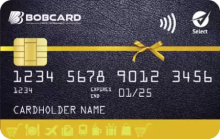
The Bank of Baroda Select Credit Card is a good option for earning rewards on daily spending. It usually has an annual…
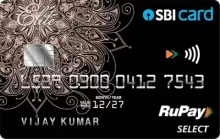
The SBI ELITE Credit Card is a premium credit card made for people who want luxury benefits and extra comfort in daily…

Flipkart Axis Bank Credit Card
The Flipkart Axis Bank Credit Card is one of the best cashback cards in India, perfect for people who shop a lot on…
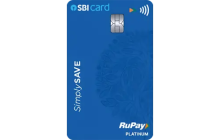
SBI SimplySAVE UPI Rupay Credit Card
The SBI SimplySAVE Credit Card is a good option for people just starting with credit cards. You’ll need to pay ₹499…
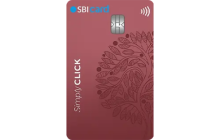
The SBI SimplyCLICK Credit Card is a basic and affordable option for those new to credit cards, especially if you shop…

HDFC Bank Regalia Gold Credit Card
The HDFC Regalia Gold Credit Card gives you rewards every time you spend. Whether you're eating out, shopping, or…
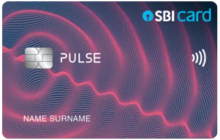
The SBI Card Pulse is a new credit card that offers special health benefits to help cardholders balance their health…

The AU Small Finance LIT Credit Card is India’s first customizable credit card, letting you choose the features you…
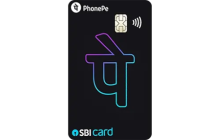
PhonePe SBI SELECT BLACK Credit Card
The PhonePe SBI Select Black Credit Card is the premium co-branded card from SBI Card and PhonePe, launched after a…
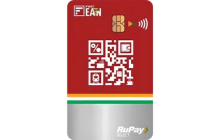
The IDFC FIRST EA₹N Credit Card is a secured card that can be obtained by making a fixed deposit of at least ₹5,000.…
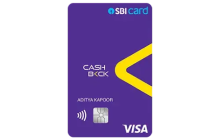
The SBI Cashback Card is a popular card from SBI that gives you cashback on every purchase. As the name suggests, you…
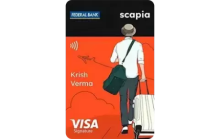
Federal Bank Scapia Credit Card
The Federal Bank Scapia Credit Card is a travel-friendly credit card launched by Federal Bank in partnership with…
Explore the Most Recent Credit Cards with Big Benefits
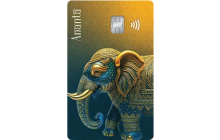


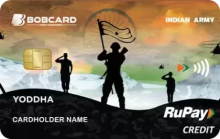


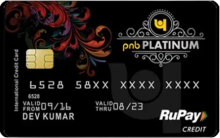


Co-branded Credit Cards

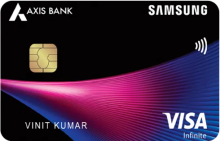

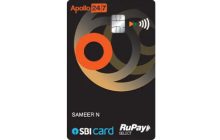
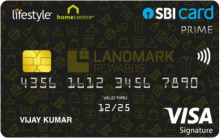
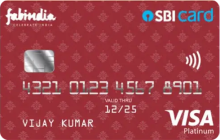

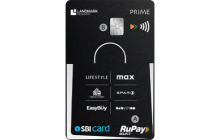
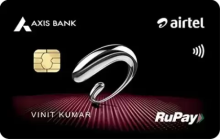
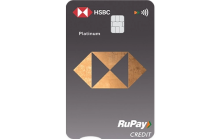

Our Partners












Credit cards are widely used across India for everyday payments such as online shopping, utility bills, travel bookings, and emergencies. They offer convenience, short-term credit, and rewards when used wisely. This guide explains what a credit card is, how it works, key features, types of credit cards in India, things to consider before applying, and the complete application process.
What is a Credit Card?
- A credit card is a payment instrument issued by a bank or financial institution that lets you borrow money to pay for goods and services.
- When you use a credit card for a purchase, the bank settles the payment with the merchant on your behalf, and you are required to reimburse the bank by the due date specified on your monthly statement.
- Paying the total amount due on time keeps your usage interest-free within the grace period. Any unpaid balance attracts interest and fees.
- A credit card effectively works like a short-term loan with flexible repayment, provided you manage it responsibly.
Key Features of a Credit Card
- Credit Limit: It means the highest limit of money you are allowed to use on the card. It is set by the issuer based on your income, credit score, and overall credit profile.
- Interest Rate (APR): Interest charged on unpaid balances. In India, APRs are typically high (often around 40%–45% annually), so paying in full is best.
- Grace Period: Usually 20–50 days from the transaction date or start of the billing cycle. If you pay within this window, no interest is applied.
- Rewards & Benefits: Earn cashback, reward points, air miles, or discounts on categories like shopping, dining, travel, and fuel.
- Minimum Amount Due: Option to pay a small portion of the bill during tight months. However, the remaining balance accrues interest until cleared.
- Fees & Charges: Cards may have annual fees, late payment fees, cash withdrawal fees, and foreign transaction fees. Read the schedule of charges carefully.
- Security: Modern cards use EMV chips, PIN authentication, OTP for online transactions, and features like card lock and instant spend alerts.
How Does a Credit Card Work?
- Cardholder: You initiate a purchase at a merchant (store or website).
- Merchant: Accepts your card and requests payment through a terminal or payment gateway.
- Payment Processor & Network: The request flows through the processor and a card network such as Visa, Mastercard, or RuPay.
- Card Issuer: Your bank verifies your identity, checks available credit, and approves or declines the transaction in seconds.
- Settlement: On approval, the issuer pays the merchant (minus fees) and records the transaction in your billing statement.
- Repayment: At month-end you receive a statement with the total amount due, minimum amount due, and the due date. Paying in full avoids interest; partial payment incurs interest on the remaining balance.
Points you should keep in mind before getting a credit card
- Credit Score: A score of 700+ generally improves approvals and terms. Check reports for errors and maintain healthy repayment behavior.
- Purpose & Fit: Identify whether you need rewards, cashback, travel benefits, fuel savings, or business features to select the right card.
- Compare Offers: Evaluate APR, annual fees, joining bonuses, reward rates, redemption options, and lounge access or other perks.
- Total Cost: Understand late fees, cash advance charges, and foreign markups. Look for fee waivers based on annual spend.
- Repayment Capacity: Ensure your monthly budget supports paying the full statement amount. Avoid spending beyond your means.
- Eligibility: Check the issuer’s criteria on age, income, employment type, and residence to reduce the chance of rejection.
Types of Credit Cards in India
Credit cards in India come in different categories, each designed to match specific spending needs and lifestyles. Below are the main types of credit cards available in India explained in simple terms:
- Rewards Credit Cards: These cards give you reward points every time you spend. The points can be redeemed for vouchers, products, or even used as statement credit. They are best for people who spend regularly on shopping, groceries, or online payments.
- Cashback Credit Cards: Cashback cards return a percentage of your spending as cashback. They usually have monthly caps and higher cashback on specific categories like online shopping, fuel, or bill payments. They are ideal for those who prefer instant savings over reward points.
- Travel Credit Cards: Travel cards provide benefits such as air miles, airport lounge access, travel insurance, hotel discounts, and forex savings. These cards help frequent travelers reduce costs and enjoy a more comfortable travel experience.
- Fuel Credit Cards: Fuel cards are useful for daily commuters and long-distance travelers. They usually offer fuel surcharge waivers and sometimes extra cashback or reward points at partner petrol pumps, making fuel expenses more affordable.
- Lifestyle Credit Cards: These cards offer special discounts and privileges on dining, shopping, movies, and entertainment. Many also provide milestone rewards such as vouchers when you reach a certain level of spending, making them suitable for people with an active urban lifestyle.
- Business Credit Cards: Business cards are made specially for small businesses, new startups, and working professionals. They provide bigger credit limits, help you track spending, and allow you to give cards to employees. They often come with travel perks, business insurance, and discounts on professional expenses.
- Student Credit Cards: Student cards are easy to get with lower credit limits and simple eligibility rules. They help students build credit history early and may provide rewards on student-related spends such as books, learning platforms, or food delivery.
- Secured Credit Cards: These cards are issued against a fixed deposit and are suitable for people new to credit or those rebuilding their credit score. They work like regular credit cards and help improve your CIBIL score through timely repayments.
How to Apply for a Credit Card in India
- Step 1 – Check Eligibility: Review your credit score, monthly income, and the bank’s criteria to gauge approval odds.
- Step 2 – Research & Choose: Match card benefits to your needs (e.g., travel, fuel, online shopping, business spends).
- Step 3 – Gather Documents: Keep KYC proofs ready such as Aadhaar, PAN, address proof, and income proof (salary slips or bank statements).
- Step 4 – Apply Online or Offline: Submit accurate details on the bank’s website or visit a branch to fill the application form.
- Step 5 – Verification: The issuer validates your information, checks bureau data, and decides on approval and credit limit.
- Step 6 – Receive & Activate: On approval, the card arrives at your address. Activate it, set your PAN-based KYC if needed, and generate your PIN.
- Step 7 – Use Responsibly: Enable transaction alerts, track spends on the mobile app, and pay the total due by the due date each month.
Smart Usage Tips
- Pay your full credit card bill every month to avoid paying extra interest, and remember the grace period is like an interest-free loan, not free cash.
- Keep your credit card spending below 30% of your total limit, as lower usage helps boost your credit score.
- Redeem rewards before expiry and focus spending on high-earning categories that match your lifestyle.
- Avoid cash advances unless urgent; they usually attract fees and interest from day one.
- Use EMI options for big purchases only after comparing interest and processing fees with other loan alternatives.
- Enable domestic/International controls, set spend limits, and switch off contactless or e-commerce transactions when not needed.
Credit Cards – A Tool, Not Free Money
- A credit card provides convenience, rewards, and a payment cushion, but it is still a loan that must be repaid on time.
- Responsible usage builds a strong credit history and improves future eligibility for home loans, auto loans, and personal loans.
- Missed or delayed payments lead to late fees, interest, and a lower credit score, which can be costly over time.
- What is a credit card?
It’s a card from a bank that lets you spend money now and pay later. If you miss paying your bill on time, you’ll have to pay extra money as interest.
- What does a credit card limit mean?
It’s the maximum amount you can spend using your card, based on your income, credit score, and bank policy.
- What is the minimum payment due?
It’s the lowest amount you must pay each month to avoid penalties. But paying only this leads to high interest on the rest.
- Why is a credit score important for credit cards?
Banks check your credit score before approval. A score of 750+ usually means faster approval and better card offers.
- What should I do if I lose my credit card?
Call your bank right away to block the card. File a report at the police station, and request a new card only if you still need one.
- How many credit cards are good to have?
Keeping 2–3 cards is usually enough. It helps with credit building, but having too many can hurt your profile.
- Will using multiple credit cards affect my credit score?
Yes. If you pay on time and spend wisely, it helps your score. Missing payments or spending more than you should hurt your credit score.
- What potential drawbacks should be considered when using a credit card?
High interest, overspending risk, fraud chances, and extra charges like annual fees or cash withdrawal fees.
- How does EMI on credit cards work?
Big spends can be split into small monthly payments. The EMI depends on interest, repayment period, and down payment.
- Is it possible to transfer money from a credit card directly to a bank account?
Yes. You can transfer via net banking, mobile apps, or wallets, but fees and limits usually apply.
- Which card is best for online shopping?
Good picks include ICICI Amazon Pay, Axis Flipkart, and HDFC Regalia cards. Choose based on cashback and rewards.
- Which cards have the best reward programs?
Popular ones are HDFC Regalia, SBI Elite, ICICI Coral, Axis Vistara Signature, and Citi PremierMiles.
- Which cards are best for travel perks?
Options like HDFC Diners Club, Axis Miles & More, SBI Signature, and InterMiles cards give lounge access, air miles, and more.
- Which cards give dining offers?
HDFC Regalia, Diners Club, and Platinum Times cards offer rewards and discounts on restaurant spends.