



Best Fintech Credit Cards in India (2026)
Fintech credit cards are changing the way people use credit cards in India. Unlike traditional credit cards that are offered only by banks, fintech credit cards are launched through partnerships between banks and fintech companies. These cards focus on a digital-first experience with faster applications, instant virtual cards, app-based account management, cashback, rewards, travel benefits, and exclusive partner offers.
To help you choose the right card, the RatingOK team has compared the best fintech credit cards in India based on annual fees, cashback, reward points, travel benefits, digital features, approval requirements, and overall long-term value. Here, you compare the top fintech credit cards in one place and find the card that best matches your spending habits.
Top Fintech Credit Cards Comparison
| Credit Card | Best For | Joining / Annual Fee | Key Benefits | RatingOK Recommendation |
|---|---|---|---|---|
| Axis Bank SuperMoney RuPay Credit Card | UPI Cashback | ₹0 / ₹0 | Up to 3% cashback on eligible QR code payments through the super.money app. | ★★★★★ |
| Federal Bank Scapia Credit Card | Travel | ₹0 / ₹0 | Earn Scapia Coins on flights and hotel bookings with no joining or annual fee. | ★★★★★ |
| YES Bank POPclub Credit Card | Shopping & Lifestyle | ₹0 / ₹399 | Earn POPcoins on eligible purchases and enjoy shopping benefits. | ★★★★★ |
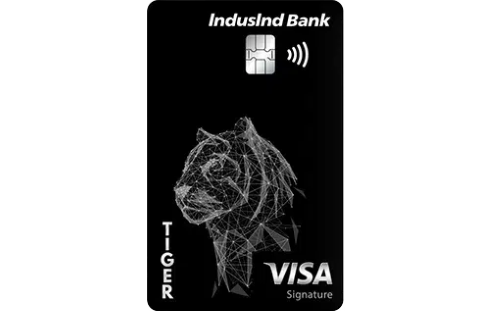
| IndusInd Bank Tiger Credit Card | Reward Points | ₹0 / ₹0 | Earn up to 6 reward points for every ₹100 spent on eligible transactions. | ★★★★☆ |
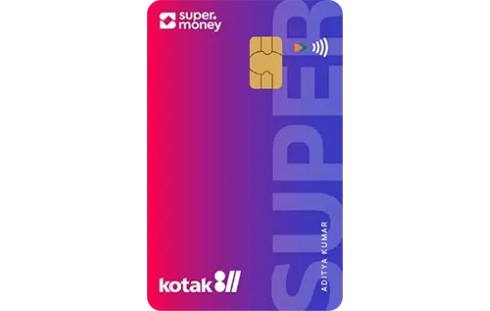
| Kotak811 Super Money Credit Card | First Credit Card | ₹0 / ₹0 | Lifetime free secured RuPay credit card issued against a fixed deposit. | ★★★★☆ |
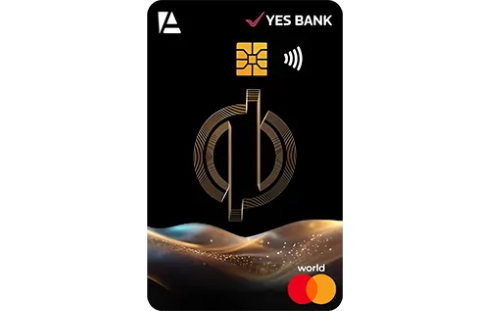
| YES Bank ANQ Phi Credit Card | Everyday Rewards | ₹0 / ₹499 | Rewards on groceries, dining, travel, and digital subscriptions. | ★★★★☆ |
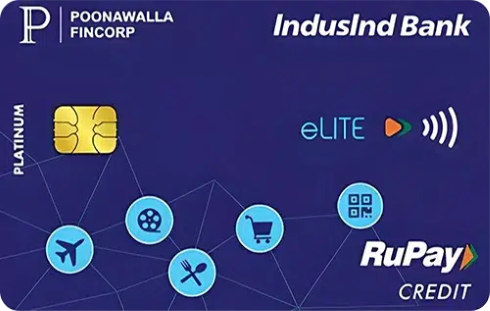
| Poonawalla Fincorp IndusInd Bank eLITE RuPay Credit Card | Shopping & Movies | ₹0 / ₹0 | Lifetime free card with shopping, entertainment, and RuPay benefits. | ★★★★☆ |
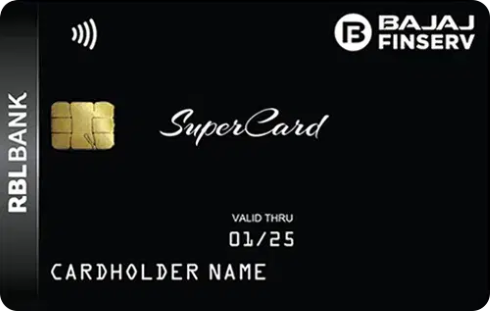
| RBL Bank Platinum Plus SuperCard | EMI & Everyday Spending | ₹999 / ₹999 | Reward points on online shopping and Bajaj Finserv purchases. | ★★★★☆ |
RatingOK Tip: A fintech credit card is a good choice if you prefer managing your credit card through a mobile app and want extra rewards on shopping, travel, UPI payments, or everyday spending.
Quick Recommendations by Category
Different fintech credit cards are designed for different users. Some focus on cashback, while others are better for travel, shopping, rewards, or first-time credit card users. Here are the RatingOK team's top recommendations.
| Category | Recommended Credit Card | Why We Recommend It |
|---|---|---|
| Best Overall Fintech Credit Card | Axis Bank SuperMoney RuPay Credit Card | Excellent cashback on UPI payments with no joining or annual fee. |
| Best Travel Credit Card | Federal Bank Scapia Credit Card | Great travel rewards with Scapia Coins and lifetime free membership. |
| Best Shopping Credit Card | YES Bank POPclub Credit Card | Earn POPcoins on shopping and enjoy exclusive partner offers. |
| Best Rewards Credit Card | IndusInd Bank Tiger Credit Card | High reward points across eligible spending categories. |
| Best Credit Card for Beginners | Kotak811 Super Money Credit Card | Secured card with a low fixed deposit requirement, making it easy to start building your credit history. |
| Best Everyday Spending Credit Card | YES Bank ANQ Phi Credit Card | Good rewards on groceries, dining, travel, and digital services. |
| Best Entertainment Credit Card | Poonawalla Fincorp IndusInd Bank eLITE RuPay Credit Card | Lifetime free card with shopping and movie benefits. |
| Best EMI Credit Card | RBL Bank Platinum Plus SuperCard | Offers additional value for Bajaj Finserv customers and online shoppers. |
Why You Can Trust RatingOK's Fintech Credit Card Recommendations
There are many fintech credit cards available today, but not every card offers the same value. Some cards focus on cashback, while others provide better travel rewards, shopping offers, entertainment benefits, or easy approval for first-time users. Choosing the wrong card may mean paying unnecessary fees or missing rewards that match your spending.
That's why the RatingOK team carefully reviews every fintech credit card using the same evaluation process. Instead of looking only at cashback or welcome offers, we compare the overall long-term value of each card to help you make a smarter decision.
Our reviews consider:
- Cashback and reward points
- Joining and annual fees
- Welcome and milestone benefits
- Travel and lifestyle features
- Shopping and entertainment offers
- Digital experience and mobile app features
- Approval requirements
- Reward redemption options
- Overall customer value
- Long-term benefits
Our goal is simple: help you choose a fintech credit card that gives real value in everyday life instead of relying only on marketing offers.
How We Evaluate Fintech Credit Cards
Every fintech credit card featured in this guide is reviewed using the same evaluation process. This helps us compare each card fairly and recommend the ones that offer the best long-term value. Instead of focusing only on cashback or welcome offers, we also consider everyday usability, rewards, fees, and overall customer experience.
Below are the key factors that the RatingOK team considers before recommending any fintech credit card.
Rewards & Cashback
We compare how much value you can earn through cashback, reward points, partner rewards, or digital coins. We also look at how easily these rewards can be redeemed.
Annual Fee
We review the joining fee, annual fee, and fee waiver conditions. A card with a higher fee should provide enough benefits to justify its cost.
Digital Experience
Most fintech credit cards are managed through mobile apps. We check how easy it is to apply, activate the card, track spending, redeem rewards, and manage your account using the app.
Spending Categories
Different cards reward different types of spending. We compare rewards across categories such as:
- Online shopping
- Travel bookings
- Dining
- Groceries
- Entertainment
- UPI payments
- Utility bill payments
- Everyday spending
Welcome Benefits
We compare welcome offers such as cashback, vouchers, reward points, memberships, or bonus benefits available after activating the card.
Travel & Lifestyle Benefits
Some fintech credit cards offer extra travel and lifestyle benefits. We compare features such as:
- Airport lounge access
- Travel rewards
- Hotel and flight booking benefits
- Dining offers
- Movie offers
- Fuel surcharge waiver
- Low forex markup charges
Approval Requirements
We also review how easy it is to get approved. This includes checking the recommended credit score, income requirements, employment eligibility, and whether the card is suitable for first-time credit users.
Overall Customer Value
Finally, we compare the complete value of the card, including rewards, fees, digital features, customer experience, and long-term benefits. This helps us identify which fintech credit cards provide the best value for different types of users.
Our Recommendation Philosophy
There is no single fintech credit card that is perfect for everyone. Some cards are better for travel, while others focus on shopping, UPI payments, entertainment, or everyday rewards. The right card depends on how and where you spend your money.
At RatingOK, we recommend cards based on their overall long-term value instead of short-term promotional offers. A card with no annual fee, useful rewards, and a good mobile app may provide better value than a premium card with expensive fees.
Every recommendation on this page is based on independent editorial research. We regularly review fintech credit cards whenever banks or fintech companies launch new cards, update reward programs, revise fees, or introduce new features. This helps keep our recommendations accurate and up to date.
Important Factors to Check Before Applying
Before applying for any fintech credit card, compare more than just the welcome offer or cashback rate. Looking at the complete features can help you choose a card that fits your needs and saves you more money over time.
| Factor | Why It Matters | What You Should Check |
|---|---|---|
| Annual Fee | Determines the long-term cost of owning the card. | Compare joining fee, annual fee, and fee waiver conditions. |
| Rewards & Cashback | Shows how much value you can earn. | Check reward rates, cashback limits, and redemption value. |
| Spending Categories | Helps you earn more on regular purchases. | Choose a card that gives rewards on your daily expenses. |
| Digital Features | Improves the overall user experience. | Review the mobile app, virtual card, spending controls, and account management features. |
| Travel Benefits | Useful for frequent travellers. | Check lounge access, travel rewards, and forex charges. |
| Partner Benefits | Adds extra savings on partner platforms. | Compare shopping, dining, entertainment, and travel offers. |
| Reward Redemption | Affects the actual value of your rewards. | Check redemption options, expiry period, and minimum redemption value. |
| Eligibility | Improves your approval chances. | Review age, income, employment type, and recommended credit score. |
| Customer Support | Important when you need quick assistance. | Check support channels and service quality. |
| Security Features | Helps protect your card from fraud. | Look for instant card blocking, spending controls, OTP security, and app alerts. |
Eligibility Criteria for Fintech Credit Cards
Eligibility requirements vary from one card to another, but most fintech credit cards have similar basic requirements. If you meet these conditions, your chances of approval may increase.
- You should be at least 18 years old.
- You must be an Indian resident.
- You should have a stable source of income, if required by the issuer.
- A good credit score can improve approval chances for unsecured cards.
- Some secured fintech credit cards can be issued against a fixed deposit, even if you have little or no credit history.
Documents Required
Most fintech credit cards support a completely digital application process. The required documents may differ between issuers, but you will usually need the following:
- PAN Card
- Aadhaar Card or another valid address proof
- Recent passport-size photograph, if requested
- Income proof, such as salary slips or bank statements (for some cards)
- Mobile number linked with Aadhaar for digital verification
Detailed Review of the Best Fintech Credit Cards
Every fintech credit card is designed for a different type of user. Some cards focus on travel, while others offer better cashback, shopping rewards, UPI benefits, or an easier digital experience. Below is a detailed review of each fintech credit card to help you compare their features and choose the one that fits your needs.
1. YES Bank POPclub Credit Card
The YES Bank POPclub Credit Card is designed for people who frequently shop online and enjoy earning rewards on their purchases. It is launched through a partnership between YES Bank and POPclub, allowing cardholders to earn POPcoins on eligible transactions. These POPcoins can later be redeemed through the POPclub app for shopping and other benefits.
The card comes with no joining fee and offers a simple digital experience. If you regularly shop through partner brands or want extra rewards on lifestyle spending, this card can provide good value.
Key Highlights
- Zero joining fee.
- Earn POPcoins on eligible purchases.
- Digital application process.
- Shopping and lifestyle benefits.
- Easy reward redemption through the POPclub app.
Pros & Cons
| Pros | Cons |
|---|---|
| Zero joining fee. | Annual fee applies after the first year. |
| Earn POPcoins on eligible spending. | Rewards are mainly useful within the POPclub ecosystem. |
| Simple mobile app experience. | Not ideal for frequent travellers. |
| Good option for online shoppers. | Limited premium travel benefits. |
2. Federal Bank Scapia Credit Card
The Federal Bank Scapia Credit Card is built for people who travel regularly. It is offered by Federal Bank in partnership with Scapia and allows users to earn Scapia Coins on eligible travel bookings made through the Scapia app. These rewards can be used for future travel expenses, making the card a good choice for frequent travellers.
One of the biggest advantages of this card is that it has no joining fee and no annual fee. Combined with its travel-focused rewards and digital experience, it is one of the most popular fintech credit cards in India.
Key Highlights
- Lifetime free credit card.
- Earn Scapia Coins on eligible travel bookings.
- Digital application and account management.
- Designed for frequent travellers.
- Travel-focused reward program.
Pros & Cons
| Pros | Cons |
|---|---|
| No joining or annual fee. | Travel rewards are mainly useful within the Scapia platform. |
| Good value for frequent travellers. | Not the best choice for users who rarely travel. |
| Easy digital application process. | Reward value depends on travel spending. |
| Simple mobile app experience. | Fewer everyday shopping rewards compared to some cashback cards. |
3. IndusInd Bank Tiger Credit Card
The IndusInd Bank Tiger Credit Card is a lifetime free credit card launched by IndusInd Bank in partnership with Tiger Fintech, a Bajaj Capital Group company. It is designed for people who want to earn reward points on their everyday spending without paying any joining or annual fee.
The card offers up to 6 reward points for every ₹100 spent on eligible transactions. Along with rewards, it provides a fully digital application process and a simple card management experience. If you prefer a no-fee rewards credit card, this card is worth considering.
Key Highlights
- Lifetime free credit card.
- Up to 6 reward points per ₹100 on eligible spending.
- Digital application process.
- No joining fee or annual fee.
- Suitable for everyday spending.
Pros & Cons
| Pros | Cons |
|---|---|
| No joining or annual fee. | Reward rates vary across spending categories. |
| Good reward points on eligible purchases. | Premium travel benefits are limited. |
| Simple digital onboarding. | Some rewards may have redemption conditions. |
| Good choice for everyday spending. | Not designed mainly for travel users. |
4. Kotak811 Super Money Credit Card
The Kotak811 Super Money Credit Card is a secured RuPay credit card launched by Kotak Mahindra Bank in partnership with super.money. Unlike regular unsecured credit cards, this card is issued against a fixed deposit starting from ₹1,000, making it a great option for first-time credit card users.
Since the card is lifetime free, you don't have to pay any joining or annual fee. It also supports UPI payments through the RuPay network, allowing you to make QR code payments while building your credit history responsibly.
Key Highlights
- Lifetime free secured credit card.
- Issued against a fixed deposit starting from ₹1,000.
- RuPay credit card with UPI support.
- Suitable for beginners and students.
- Helps build a good credit history.
Pros & Cons
| Pros | Cons |
|---|---|
| No joining or annual fee. | Requires a fixed deposit. |
| Easy approval compared to many unsecured cards. | Credit limit depends on the fixed deposit amount. |
| Supports UPI payments through RuPay. | Premium lifestyle benefits are limited. |
| Good for building credit history. | Not suitable for users looking for a high credit limit. |
5. RBL Bank Platinum Plus SuperCard
The RBL Bank Platinum Plus SuperCard is offered by RBL Bank in partnership with Bajaj Finserv. It is designed for people who regularly shop online, use Bajaj Finserv services, and want to earn reward points on their everyday spending.
The card offers reward points on both online and offline purchases, with higher rewards on eligible transactions made through the Bajaj Finserv app. Although it comes with a joining and annual fee, it provides additional value for users who frequently shop within the Bajaj Finserv ecosystem.
Key Highlights
- Reward points on online and offline spending.
- Extra benefits on eligible Bajaj Finserv transactions.
- Useful for regular online shoppers.
- Digital card management.
- Access to SuperCard benefits.
Pros & Cons
| Pros | Cons |
|---|---|
| Higher rewards on eligible Bajaj Finserv purchases. | Joining and annual fees apply. |
| Good rewards on online spending. | Not a lifetime free credit card. |
| Simple digital account management. | Benefits are more valuable for Bajaj Finserv users. |
| Suitable for regular online shoppers. | Limited travel-focused benefits. |
6. YES Bank ANQ Phi Credit Card
The YES Bank ANQ Phi Credit Card is launched by YES Bank in partnership with ANQ Finance. It is designed for people who spend regularly on groceries, dining, travel, and digital services. The card combines everyday rewards with a simple digital experience, making it suitable for users who prefer managing everything through a mobile app.
While the card has no joining fee, an annual fee applies from the second year. If your monthly spending is spread across multiple categories instead of just one, this card can provide good overall value.
Key Highlights
- No joining fee.
- Rewards on groceries, dining, travel, and digital subscriptions.
- Digital application process.
- Easy mobile app management.
- Designed for everyday spending.
Pros & Cons
| Pros | Cons |
|---|---|
| No joining fee. | Annual fee applies. |
| Rewards across multiple spending categories. | Not a lifetime free card. |
| Simple digital experience. | Premium travel benefits are limited. |
| Good option for everyday spending. | Reward value depends on eligible transactions. |
7. Poonawalla Fincorp IndusInd Bank eLITE RuPay Credit Card
The Poonawalla Fincorp IndusInd Bank eLITE RuPay Credit Card is a lifetime free credit card launched by Poonawalla Fincorp in partnership with IndusInd Bank. It is designed for people who want a simple credit card with no annual fee while enjoying rewards on shopping, entertainment, and everyday spending.
Since the card is issued on the RuPay network, it can also be linked with supported UPI apps for eligible credit card payments. This makes it a practical choice for users who want the convenience of digital payments without paying annual charges.
Key Highlights
- Lifetime free credit card.
- No joining or annual fee.
- RuPay credit card with UPI support.
- Shopping and entertainment benefits.
- Simple digital application process.
Pros & Cons
| Pros | Cons |
|---|---|
| No joining or annual fee. | Premium travel benefits are limited. |
| Supports UPI payments through the RuPay network. | The rewards program is easy to understand and use. |
| Good option for shopping and entertainment. | May not suit users looking for luxury lifestyle benefits. |
| Easy to manage digitally. | Fewer premium partner privileges. |
8. Axis Bank SuperMoney RuPay Credit Card
The Axis Bank SuperMoney RuPay Credit Card is launched by super.money, a Flipkart company, in partnership with Axis Bank. It is one of the most rewarding fintech credit cards for people who regularly make UPI payments. The card offers up to 3% cashback on eligible QR code payments made through the super.money app, along with cashback on other eligible transactions.
With no joining fee and no annual fee, this lifetime free RuPay credit card combines digital convenience with excellent everyday rewards. It is especially suitable for users who frequently pay using UPI at local shops, restaurants, and other merchants.
Key Highlights
- Lifetime free credit card.
- Up to 3% cashback on eligible QR code payments.
- RuPay credit card with UPI support.
- Powered by the super.money app.
- Simple digital application and card management.
Pros & Cons
| Pros | Cons |
|---|---|
| No joining or annual fee. | Maximum cashback is available only on eligible transactions. |
| Excellent cashback on UPI QR payments. | Some rewards depend on using the super.money app. |
| Supports UPI payments through the RuPay network. | Travel benefits are limited. |
| Great choice for everyday digital payments. | Reward benefits may change from time to time. |
Which Fintech Credit Card Should You Choose?
Each fintech credit card is designed for a different type of user. The right choice depends on your spending habits, preferred rewards, and whether you want travel benefits, cashback, shopping rewards, or an easy way to build your credit history.
| If You Want | Recommended Credit Card | Reason |
|---|---|---|
| Maximum UPI Cashback | Axis Bank SuperMoney RuPay Credit Card | Offers excellent cashback on eligible UPI QR code payments. |
| Travel Rewards | Federal Bank Scapia Credit Card | Earn Scapia Coins on eligible travel bookings. |
| Shopping Rewards | YES Bank POPclub Credit Card | Earn POPcoins on eligible shopping transactions. |
| Reward Points | IndusInd Bank Tiger Credit Card | High reward points on eligible spending. |
| First Credit Card | Kotak811 Super Money Credit Card | Secured card that helps build credit history. |
| Everyday Spending | YES Bank ANQ Phi Credit Card | Rewards across groceries, dining, travel, and digital services. |
| Shopping & Movies | Poonawalla Fincorp IndusInd Bank eLITE RuPay Credit Card | Lifetime free card with shopping and entertainment benefits. |
| Bajaj Finserv Benefits | RBL Bank Platinum Plus SuperCard | Extra value for Bajaj Finserv customers. |
Approval Difficulty Comparison
Approval depends on factors such as your income, employment type, existing credit history, and credit score. The table below gives a general idea of how easy it may be to get each fintech credit card.
| Credit Card | Approval Difficulty | Best For |
|---|---|---|
| Kotak811 Super Money Credit Card | Very Easy | First-time credit users |
| Poonawalla Fincorp IndusInd Bank eLITE RuPay Credit Card | Easy | Everyday spending |
| Axis Bank SuperMoney RuPay Credit Card | Easy | UPI users |
| Federal Bank Scapia Credit Card | Moderate | Travel users |
| YES Bank POPclub Credit Card | Moderate | Shopping enthusiasts |
| IndusInd Bank Tiger Credit Card | Moderate | Reward seekers |
| YES Bank ANQ Phi Credit Card | Moderate | Everyday spenders |
| RBL Bank Platinum Plus SuperCard | Moderate | Bajaj Finserv customers |
Hidden Charges You Should Know About
Many fintech credit cards have low or zero annual fees, but there are other charges that you should understand before applying. Knowing these charges can help you avoid unnecessary costs.
| Charge | What It Means | How to Avoid It |
|---|---|---|
| Interest Charges | Charged if you do not pay your full bill before the due date. | Always pay the total outstanding amount. |
| Late Payment Fee | Applied when you miss the payment due date. | Enable AutoPay or payment reminders. |
| Cash Withdrawal Fee | Charged when using the credit card to withdraw cash from an ATM. | Avoid cash withdrawals whenever possible. |
| Foreign Currency Markup | Applied on international transactions. | Use a card with a low forex markup if you travel abroad. |
| EMI Processing Fee | May apply when converting purchases into EMIs. | Review the charges before choosing EMI. |
| GST | Applicable on interest, fees, and other service charges. | Avoid unnecessary penalties and charges. |
| Over-limit Charges | Charged when you spend beyond your approved credit limit. | Keep track of your available credit limit. |
How to Choose the Right Fintech Credit Card
The best fintech credit card is the one that matches your lifestyle. Some cards offer higher cashback, while others focus on travel, shopping, UPI payments, or reward points. Before applying, compare the card's benefits carefully instead of choosing based on advertisements alone.
Also compare the annual fee, reward value, partner benefits, mobile app experience, and eligibility requirements. A card that matches your regular spending can provide much better long-term value.
Choose Based on Your Spending
- UPI Payments: Choose a card that rewards QR code and UPI transactions.
- Shopping: Select a card that offers higher rewards on online purchases.
- Travel: Pick a card with travel rewards and useful travel benefits.
- Dining: Choose a card that provides rewards or offers on restaurants and food delivery.
- Entertainment: Select a card with shopping and movie benefits.
- Everyday Spending: Choose a card that rewards groceries, utility bills, and daily purchases.
- Building Credit: A secured fintech credit card can help improve your credit history.
Things to Compare Before Applying
- Joining and annual fee.
- Cashback or reward rate.
- Welcome benefits.
- Partner offers.
- Reward redemption options.
- Mobile app features.
- Eligibility requirements.
- Customer support.
- Interest rate and other charges.
- Long-term value.
Fintech Credit Cards vs Traditional Bank Credit Cards
Both fintech credit cards and traditional bank credit cards let you make online and offline payments, earn rewards, and build your credit history. However, fintech credit cards are designed with a stronger focus on digital convenience, faster applications, and app-based account management.
If you prefer a completely digital experience with quick approvals and modern features, a fintech credit card can be a better choice. On the other hand, traditional bank credit cards usually offer a wider range of premium cards, higher credit limits, and more banking services.
| Feature | Fintech Credit Cards | Traditional Bank Credit Cards |
|---|---|---|
| Application Process | Mostly online with quick approval. | Online and branch applications available. |
| Account Management | Managed mainly through mobile apps. | Mobile app and internet banking. |
| Virtual Card | Available with many cards. | Available on selected cards. |
| Reward Programs | Focused on digital spending and partner offers. | Available across many spending categories. |
| Travel Benefits | Available on selected cards. | Available across many premium cards. |
| UPI Support | Available on RuPay-based fintech cards. | Depends on the card network. |
| Best For | Digital-first users and young professionals. | Users looking for a wide range of banking products. |
Who Should Choose a Fintech Credit Card?
Fintech credit cards are suitable for people who want a simple digital experience and rewards on their everyday spending. They are especially useful for users who prefer managing everything through a mobile app instead of visiting a bank branch.
- People who shop online regularly.
- Users who frequently make UPI payments.
- People looking for cashback or reward points.
- Frequent travellers.
- Young professionals.
- First-time credit card users.
- People who prefer paperless applications.
- Users who want instant digital account management.
Who Should Consider a Traditional Credit Card Instead?
Although fintech credit cards are suitable for many users, they may not be the best choice for everyone. If you need premium banking services or luxury travel benefits, a traditional bank credit card may be a better option.
- People looking for premium airport lounge access.
- Frequent international travellers.
- Users who need a very high credit limit.
- Business owners with large monthly expenses.
- People looking for premium lifestyle privileges.
- Users who prefer visiting bank branches for support.
Common Myths About Fintech Credit Cards
As fintech credit cards become more popular, many people still have misunderstandings about how they work. Here are some common myths and the real facts.
| Myth | Reality |
|---|---|
| Fintech credit cards are not real credit cards. | They are genuine credit cards issued by RBI-regulated banks in partnership with fintech companies. |
| Only young people can apply. | Anyone who meets the eligibility requirements can apply. |
| All fintech credit cards are lifetime free. | Some are lifetime free, while others have annual fees. |
| Fintech cards only work for online payments. | They can be used for both online and offline purchases, just like other credit cards. |
| Fintech credit cards are less secure. | Most offer strong security features such as OTP verification, app controls, and instant card blocking. |
| Every fintech card offers the same rewards. | Each card has different reward rates, partner offers, and spending categories. |
10 Things to Check Before Applying for a Fintech Credit Card
Before applying for a fintech credit card, compare more than just the cashback or welcome offer. Looking at all the important features can help you choose a card that fits your spending habits and provides better long-term value.
1. Annual Fee
Check the joining fee, annual fee, and whether the annual fee can be waived after meeting a spending requirement. A lifetime free card can help reduce your long-term costs.
2. Cashback & Reward Points
Compare how much cashback or reward points you earn on your regular spending. Also check if there are any monthly limits or exclusions.
3. Spending Categories
Choose a card that rewards the categories where you spend the most, such as shopping, travel, dining, groceries, entertainment, or UPI payments.
4. Digital Experience
Since fintech credit cards are made for digital users, choose one with an easy-to-use mobile app. Features like virtual cards, transaction alerts, card controls, and reward tracking can improve your experience.
5. Welcome Benefits
Many fintech credit cards offer welcome rewards, vouchers, or bonus cashback. These benefits add value, but they should not be the only reason for choosing a card.
6. Reward Redemption
Check how you can redeem your rewards. A card with simple redemption options is usually more useful than one with complicated rules.
7. Partner Offers
Some fintech cards provide extra savings through partner brands for shopping, food delivery, travel, entertainment, or lifestyle services. Choose a card that offers benefits you will actually use.
8. Eligibility Requirements
Review the minimum age, income, employment type, and recommended credit score before applying. This can improve your chances of approval.
9. Other Charges
Look beyond the annual fee and compare charges such as interest, late payment fees, cash withdrawal charges, foreign transaction fees, and EMI processing charges.
10. Overall Long-Term Value
Think about how much value the card will provide over several years. A card with useful rewards, low fees, and a good digital experience is usually a better choice than one with only a high welcome bonus.
Common Mistakes to Avoid
Many people apply for a fintech credit card without comparing its features or understanding how the rewards work. Avoid these common mistakes to get the maximum value from your credit card.
- Choosing a Card Only for Cashback: Cashback is important, but you should also compare annual fees, rewards, digital features, and partner benefits.
- Ignoring Reward Terms: Not every transaction earns rewards. Always check which spending categories are eligible.
- Paying Only the Minimum Amount Due: Paying only the minimum amount results in high interest charges. Try to pay the full outstanding balance every month.
- Missing Payment Due Dates: Late payments can lead to penalty charges and may affect your credit score.
- Applying for Multiple Credit Cards Together: Submitting several applications within a short time may reduce your approval chances.
- Ignoring Annual Fee Waiver Conditions: Many cards waive the annual fee after reaching a spending milestone. Check these conditions before applying.
- Overspending to Earn Rewards: Spend according to your budget. Rewards should be an extra benefit, not a reason to spend more.
- Not Comparing Similar Cards: Compare different fintech credit cards before making a decision. A small comparison can save money over the long term.
- Ignoring Your Credit Score: If your credit score is low, consider applying for an easier or secured credit card first.
- Choosing a card only for the welcome offer: Welcome offers are available for a limited time.
RatingOK Fintech Credit Card Reality Check
Many fintech credit cards advertise attractive cashback, reward points, and partner offers. However, the real value of a credit card depends on how useful these benefits remain over time. Some cards are excellent for travel, while others provide better value for shopping, UPI payments, or everyday spending.
To make comparisons easier, the RatingOK team uses our independent Reality Check Score. Instead of relying on marketing claims, we evaluate every fintech credit card based on practical features, digital experience, rewards, fees, and overall customer value.
How We Calculate the Reality Check Score
Each fintech credit card is reviewed using multiple real-world factors, including:
- Cashback and reward value
- Digital experience
- Annual fee compared to benefits
- Partner offers
- Travel and lifestyle features
- Ease of approval
- Reward redemption
- Overall long-term value
| Credit Card | Rewards | Digital Experience | Ease of Approval | Overall Value | Reality Check Score |
|---|---|---|---|---|---|
| Axis Bank SuperMoney RuPay Credit Card | 9.8/10 | 9.8/10 | 9.0/10 | 9.8/10 | 9.7/10 |
| Federal Bank Scapia Credit Card | 9.6/10 | 9.7/10 | 8.9/10 | 9.6/10 | 9.5/10 |
| YES Bank POPclub Credit Card | 9.2/10 | 9.4/10 | 8.8/10 | 9.2/10 | 9.2/10 |
| IndusInd Bank Tiger Credit Card | 9.1/10 | 9.2/10 | 8.9/10 | 9.1/10 | 9.1/10 |
| Kotak811 Super Money Credit Card | 8.9/10 | 9.5/10 | 9.7/10 | 9.2/10 | 9.1/10 |
| YES Bank ANQ Phi Credit Card | 8.9/10 | 9.2/10 | 8.8/10 | 8.9/10 | 8.9/10 |
| Poonawalla Fincorp IndusInd Bank eLITE RuPay Credit Card | 8.8/10 | 9.0/10 | 9.0/10 | 8.9/10 | 8.9/10 |
| RBL Bank Platinum Plus SuperCard | 8.7/10 | 8.8/10 | 8.6/10 | 8.7/10 | 8.7/10 |
What Does the Reality Check Score Mean?
| Score | Meaning |
|---|---|
| 9.0 – 10.0 | Excellent value with outstanding long-term benefits. |
| 8.0 – 8.9 | Very good choice with strong everyday value. |
| 7.0 – 7.9 | Suitable for users with specific spending needs. |
| Below 7.0 | Apply only if the card closely matches your requirements. |
RatingOK Final Verdict
Fintech credit cards have made credit cards more convenient, especially for people who prefer digital banking. With features such as instant online applications, virtual cards, UPI support, cashback, reward points, and app-based account management, they offer a modern alternative to many traditional credit cards.
However, no single fintech credit card is perfect for everyone. The right choice depends on how you spend your money. Some cards are better for travel, while others provide higher rewards on shopping, UPI payments, entertainment, or everyday purchases.
After comparing the top fintech credit cards in India, our editorial team found that the Axis Bank SuperMoney RuPay Credit Card stands out for UPI cashback, the Federal Bank Scapia Credit Card is an excellent choice for frequent travellers, and the Kotak811 Super Money Credit Card is one of the best options for first-time credit card users.
Before applying, always compare the annual fee, rewards, eligibility requirements, redemption options, and long-term value. Choosing a credit card that matches your spending habits will help you save more and make the most of its benefits.
Credit Card Articles




Explore Credit Card Partners
Frequently Asked Questions
- What are fintech cards?
Fintech cards are payment cards launched by fintech companies in partnership with banks or NBFCs. These cards usually come with digital features, easy application, and rewards for spending.
- How are fintech cards different from traditional credit cards?
Fintech cards focus more on digital services. They are managed through mobile apps and often provide simple approval, spending insights, and modern rewards compared to many traditional cards.
- Who issues fintech cards in India?
Most fintech companies are not banks. They work with partner banks or NBFCs that provide the credit and officially issue the card to customers.
- Can fintech cards be used for online and offline payments?
Yes, most fintech cards run on networks like Visa, RuPay, or MasterCard. Because of this, they can be used for both online shopping and payments at physical stores.
- Do fintech cards offer cashback or rewards?
Yes, many fintech cards provide benefits such as cashback, reward points, or special offers based on your spending.
- Are fintech cards safe to use?
Yes, fintech cards are generally safe because they are issued with regulated banks or NBFCs and operate on secure global payment networks.
- Are fintech cards free to use?
Many fintech cards come with no joining fee and no annual fee. However, other charges like late payment fees or interest may still apply.