
IndiGo IDFC FIRST Credit Card
Card Overview
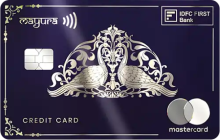
IndiGo IDFC FIRST Credit Card is part of IndiGo’s updated range of co-branded cards, designed to give more travel rewards and payment flexibility. With this card, you can earn BluChips, IndiGo’s reward points, faster when you book flights on the airline’s website or app and use them to book future flights. Once approved, you get two cards, one Mastercard and one RuPay, both linked to the same credit limit, rewards, and statement. The Mastercard offers perks like free golf rounds and lessons, while the RuPay card works well with UPI apps for daily payments. There are two versions of this card, one with a joining fee of ₹4,999 and another that is free but requires a fixed deposit of ₹1 lakh or more, which is helpful for people who are new to credit cards.
You can get 22 BluChips for every ₹100 you spend on IndiGo bookings, along with yearly milestone rewards of up to 30,000 BluChips. The card also offers a lower foreign exchange mark-up fee and free trip cancellation insurance. The main drawback is that it does not offer airport lounge access, which is rare for an airline credit card. Still, it is a good option for regular IndiGo travelers who want high rewards on bookings and the convenience of using both domestic and international payment networks.
Card Details
- Airline co-branded credit card made for people who fly often with IndiGo.
- Earn up to 22 BluChips per ₹100 spent on the IndiGo website or app, including base rewards, BluChip membership bonus, booking channel bonus, and tier status bonus.
- Get 3 BluChips for every ₹100 spent on regular purchases, and 0.5 BluChips for every ₹100 spent on UPI payments (RuPay card), insurance, rent, utility bills, and wallet transactions.
- Low forex mark-up fee of 1.49% for international travel.
- Welcome benefit: Get a ₹3,000 BluChips voucher if you spend more than ₹1 lakh within the first 90 days.
- Annual/Joining fee benefit: 5,000 BluChips voucher and a complimentary meal voucher.
- Milestone benefits: Earn 5,000 BluChips each time you reach spending milestones of ₹2 lakh, ₹5 lakh, ₹8 lakh, ₹10 lakh, and ₹12 lakh, with a maximum of 25,000 BluChips in a year.
- Trip cancellation cover of up to ₹25,000 per year for non-refundable flight or hotel bookings.
- Golf benefits with 4 free rounds and 12 free lessons every year through Mastercard.
- Use your BluChips to book IndiGo flights from your BluChip account.
Pros/Cons
Reality Check Feedback
What should you consider before applying for a credit card in India?
Key Considerations Before Applying for a Credit Card in India:
- Eligibility Criteria: Ensure you meet the eligibility requirements, which typically include age, income, credit score, and employment status as defined by the issuing bank or financial institution.
- Credit Score: A strong credit score can significantly improve your chances of approval and result in more favorable terms, such as lower interest rates or higher credit limits. Verify that your credit score is healthy before applying.
- Interest Rates and Fees: Compare the annual percentage rates (APR), processing fees, late payment penalties, and foreign transaction charges associated with various cards. These costs can vary widely and impact the overall value of the card.
- Rewards and Benefits: Evaluate the rewards, cashback, discounts, or other perks offered by the card to ensure they align with your spending patterns. Some cards may provide better benefits in specific categories, such as travel, shopping, or dining.
- Credit Limit: Review the credit limit offered by the card to ensure it meets your financial needs. Avoid applying for cards with excessive limits if you are concerned about managing debt, as this can lead to higher interest charges.
- Repayment Terms: Understand the repayment structure, including the minimum payment amount, payment due dates, and any associated penalties. Being clear about these terms can help you manage payments effectively and avoid interest buildup.
- Card Type and Features: Choose a card type that matches your specific needs—whether standard, premium, or specialized cards like those offering travel rewards or dining privileges. Ensure the features of the card align with your lifestyle and spending habits.
- Bank’s Reputation: Opt for a financial institution with a proven reputation for customer service and transparency. Consider researching customer reviews and assessing their support channels to ensure reliable service.
- Hidden Charges: Be aware of any hidden fees, including annual fees, balance transfer charges, foreign transaction fees, or cash withdrawal charges. These can add up over time and affect the overall cost-effectiveness of the card.
- Credit Utilization: Maintain a balance within your credit limit to avoid high credit utilization ratios, which can negatively impact your credit score. Responsible use of credit is essential for maintaining financial health.
- Long-Term Financial Plans: Consider how the credit card fits into your overall financial strategy. Avoid accumulating unnecessary debt and choose a card that supports your long-term financial goals without adding financial strain.


- How does the dual-card setup work?
You get two cards, one Mastercard and one RuPay, sharing the same credit limit. When you use either card, you earn BluChips, and every month you get a single bill to pay.
- Can I choose between Mastercard and RuPay?
No, all cardholders receive both cards.
- Is the RuPay card digital?
No, it is a physical card, not a digital or virtual one.
- Is IndiGo BluChip membership required?
Yes, you must enroll in the BluChip program to use the card benefits.
- How much does BluChip membership cost?
Enrollment is free. You start at the base tier Blu 3 and can upgrade based on your IndiGo spending.
- What is the replacement charge?
The replacement fee is ₹199 per card.
- Does the card have any annual or joining fee?
The add-on card has no charges. The main card requires a joining fee of ₹4,999 upfront. The FD-backed secured version has no joining fee but charges ₹1,499 per year from the second year.
- Does the card include airport lounge access?
No, this card does not provide airport lounge access.
- What is the value of 1 BluChip?
The value varies by flight, usually between ₹0.40 and ₹0.50.
Leave a Reply