
Safe and Easy Ways to Dispose of Your Old Credit Cards
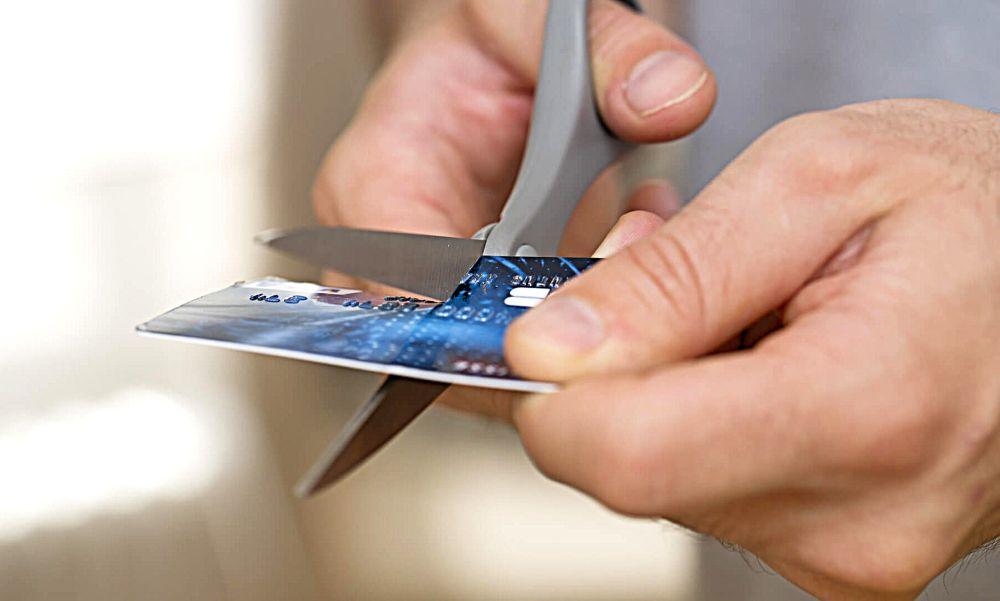
If you have old credit cards lying around because you got new ones or closed your accounts, you might wonder how to get rid of them safely. You shouldn’t simply toss your old credit card into the trash. That’s because your card has important personal and financial details on it. If someone finds it, they can misuse your information and cause trouble like stealing money or using your identity.
In India, more and more people use credit cards and online payments every day. So, it’s very important to know how to safely throw away old cards without risking your personal information. It’s really easy, so there’s nothing to stress about. There are some easy and safe ways to do it, which we will explain here.
Why Is It Important to Dispose of Credit Cards Properly?
Your credit card has sensitive information like the card number, expiry date, and sometimes your name. Even if the card is old or expired, this information can be dangerous if it falls into the wrong hands. Thieves can use it to make fake purchases or steal your identity.
Banks and financial experts in India tell customers to destroy old cards once they get new ones. This is to ensure that nobody else can use them. It is your responsibility to make sure your old card cannot be used by anyone else after you stop using it. By understanding why you need to destroy old cards properly, you will be more careful and avoid risks to your money and identity.
Step 1: Erase the Magnetic Strip
The black strip on the back of your credit card stores key information about your card and its transactions. Just cutting the card is not enough because the data on this strip can still be read by some machines.
To erase the information on the strip, you can use a strong magnet. Move the magnet slowly back and forth over the strip a few times. It will delete all the information saved on it. After erasing, you can also cut through the strip for extra safety. Doing this step protects you because even small parts of the strip can be used for fraud if left intact.
Step 2: Destroy the Chip
Most credit cards today have a tiny chip that holds your card details, similar to how the magnetic strip works. Since the chip is very small and hard to cut, the best way to destroy it is by hitting it hard with a hammer or any heavy object.
Breaking the chip stops anyone from reading the data stored in it. This step is very important because the chip contains your card details that fraudsters might want to steal.
Step 3: Cut the Card into Small Pieces
Once you’ve erased the magnetic strip and broken the chip, use scissors to cut the card into several small pieces, making sure to slice through the chip, the front card number, and the security code on the back.
Cut the card in different directions diagonally, vertically, and horizontally so the pieces are very small and can’t be put back together. Throw the pieces in different dustbins on different days if you want to be extra safe.
Just breaking the card in half or a few pieces is not enough. The aim is to remove all important information so that nothing remains.
Step 4: Use a Shredder If You Can
If you have a shredder that can cut plastic, this is one of the best ways to destroy your card. A cross-cut shredder will cut the card into tiny strips, making it impossible for anyone to read your details.
Many shredders in India can even shred credit cards or CDs. If you don’t have one, you can visit stationery shops or print shops that offer shredding services for a small fee.
Shredding is faster and safer than cutting by hand, but if you don’t have access to a shredder, cutting and hammering work well too.
Step 5: Throw the Pieces Away Carefully
Once you have cut or shredded your card, throw the pieces into different trash bins or at different times. This makes it harder for anyone to collect all the pieces and try to piece them back together.
Some people burn the shredded pieces in a safe open space to make sure they are completely destroyed. But do not burn the whole card because it has plastic and metal that can produce harmful smoke. Also, don’t forget to destroy any bank papers or receipts that have your card details. This helps keep your information safe.
What to Do With Metal Credit Cards?
Some high-end credit cards are built using metal rather than regular plastic. These are harder to destroy because shredders usually can’t handle metal.
The best and most secure way to dispose of a metal credit card is to return it to your bank. Most banks in India accept metal cards for safe disposal and will give instructions on how to do this. If you want to destroy it yourself, use special metal cutters or tin snips. Avoid using shredders or unknown services that may not be safe.
Common Mistakes to Avoid
Always cut or damage your old credit card before getting rid of it, instead of just tossing it in the bin. Thieves often go through garbage looking for cards or papers with personal information. This simple mistake can cause big problems.
Do not throw your card in recycling bins either, because the magnetic strip and chip can still be read. Always make sure your card is completely damaged before disposal. Always inform your bank and officially close your card before you throw it away. An active card found by someone else can still be misused.
Bottom Line
Your credit card has personal and account information, so destroying it safely helps protect you from fraud and identity theft. Whether you cut, shred, hammer, or send the card back to the bank, do it carefully. In today’s India, where digital payments are everywhere, keeping your financial information safe is very important. Taking a few minutes to dispose of old cards safely can save you from trouble later.
Handle your old credit cards safely and use them responsibly to avoid any risks. If you want, I can help you add some frequently asked questions or tips to make this guide even more helpful!



Leave a Reply