
How to Apply for Loan Restructuring and Save on Your EMI

Aarav, a freelance content creator from Delhi, wanted to buy a professional camera to improve his work. He took a personal loan, and the EMIs fit comfortably within his monthly income. Everything seemed manageable until one of his major clients delayed payments, cutting his income by almost 40 percent. Bills kept piling up, and the EMI due date was approaching fast. Aarav felt stressed. Missing a payment could hurt his credit score and create long-term financial problems.
How Loan Settlement Differs from Loan Closure and What It Means for You

Many people in India confuse loan settlement with loan closure. Even though they seem alike, they are actually quite different. Loan closure happens when you pay back the full loan amount, including principal, interest, and any charges. Loan settlement usually happens when you cannot pay the full amount, and the lender agrees to accept a smaller sum.
Personal Loan or Overdraft? How to Choose the Best Emergency Option in India

Money emergencies appear without warning. A sudden medical bill can drain your savings. Your car can stop working before payday. Rent may need support when a client pays late. In such stressful moments you must pick the fastest and most reliable credit option. In India the two most widely used choices are personal loans and overdraft facilities. Both offer quick money yet both work in very different ways.
Axis Bank Burgundy Debit Card Updated Benefits Explained

Axis Bank has announced new updates for its premium Burgundy Debit Card. These revised features will be active from 25 December 2025. The changes bring more clarity across airport lounges, international lounges, movie benefits, reward points and spending limits. The bank aims to make the Burgundy experience more structured and more useful for high value customers who spend on travel, lifestyle, entertainment and premium payments. It explains all major updates in a simple and clear way.
How a Single Personal Loan Can Help You Clear All Your Debts
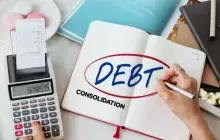
Managing many EMIs at the same time can be stressful. Many people in India face this challenge because they have credit card bills, a small personal loan, a buy now pay later EMI or a short-term digital loan. Every loan has a different due date and a different interest rate. Missing even one EMI can affect your credit score and create more financial pressure.
Easy Personal Loan Application: Steps You Can Follow Today

Personal loans are a helpful way to get money quickly when you need it. Whether it is for medical bills, home repairs, a wedding, or emergencies, a personal loan can provide the financial support you need. Unlike secured loans, personal loans do not require you to pledge property. This makes them easy to apply for and accessible for many people.
How to Get a Personal Loan with Minimal Documents: Step-by-Step Guide

Getting a personal loan in India has become easier over the years. Many banks and financial institutions now offer loans that require very few documents. This is helpful for people who need money quickly but do not have complete paperwork like salary slips or detailed income proofs. You can use these loans for emergencies, education, travel, home renovation, or other personal needs.
Visa Credit Card Offer: Win ₹1,000 Amazon Pay Voucher for International Spends

Visa has launched a new offer for those who travel or shop internationally. With the Visa International Spend & Win Offer, you can get an assured Amazon Pay voucher worth ₹1,000 when you spend $1,000 or more (around ₹85,000) using your Visa card on international purchases. This is a simple and rewarding deal for Visa users in India.
AI-Powered Credit Cards: The Future of Smart Financial
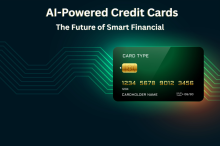
Technology is changing the way we live and manage money in India. One of the most exciting developments in banking today is the rise of AI-powered credit cards. These cards use artificial intelligence to give you better control of your spending, smarter insights, and personalized rewards. They are designed to make managing money easier, safer, and more efficient for everyone.
RuPay PMJDY Debit Card Benefits for Jan Dhan Account Holders

The Pradhan Mantri Jan Dhan Yojana (PMJDY) is one of the most important financial inclusion schemes launched by the Government of India. It was started in 2014 to ensure that every household has access to banking and financial services. Many people in India, especially in rural areas, did not have a bank account before this scheme. PMJDY made it possible for everyone to open a zero-balance savings account with very simple documentation.
When Is the Best Time to Redeem Your Credit Card Rewards?

Earning credit card rewards in India is simple, but the real challenge is knowing when, how, and where to redeem them. Every time you use a credit card for groceries, fuel, online shopping, or travel, you earn points, cashback, or travel miles. But earning points alone is not enough. These points have real value only when redeemed for money, products, or services. Therefore, understanding the credit card reward redemption strategy is essential to make the most of your spending.
What Is Duet Credit Card? Exploring Its Benefits

Credit cards have become a key part of how we manage money in today’s fast-moving world. They make shopping easier, give rewards, and come with many perks that help us save. Among the different options available, the Duet Credit Card is a solid choice for beginners as well as experienced credit card users.
In this detailed guide, we’ll explain what the Duet Credit Card is, its features, benefits, and things you should know before applying.
Best Credit Cards for Fast, Secure Digital Wallet Transactions

The Future of Credit Card Loyalty Programs in a Cashless Society
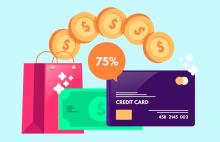
As the world becomes more digital and cashless, credit card loyalty programs are going through a significant transformation. With over 70% of consumers choosing digital payment methods, it’s clear that the future of spending is shifting away from physical cash. This change is also affecting how we engage with credit cards and their reward systems. Traditional loyalty programs that once focused on points, cashback, or miles are now adapting to keep up with changing technology, consumer behavior, and societal values.
7 Common Credit Card Problems Every User Struggles With

Credit cards are very popular in India today. From shopping online to paying bills at restaurants, they make life easy and convenient. Yet the story does not end with swiping or tapping a card. Many users struggle with different issues that come with credit card usage. These problems can affect personal finances if not handled carefully. Here, we will look closely at seven common credit card problems faced by people in India and understand why they matter.1