
UPI and Credit Cards: What This New Linkage Means for Users
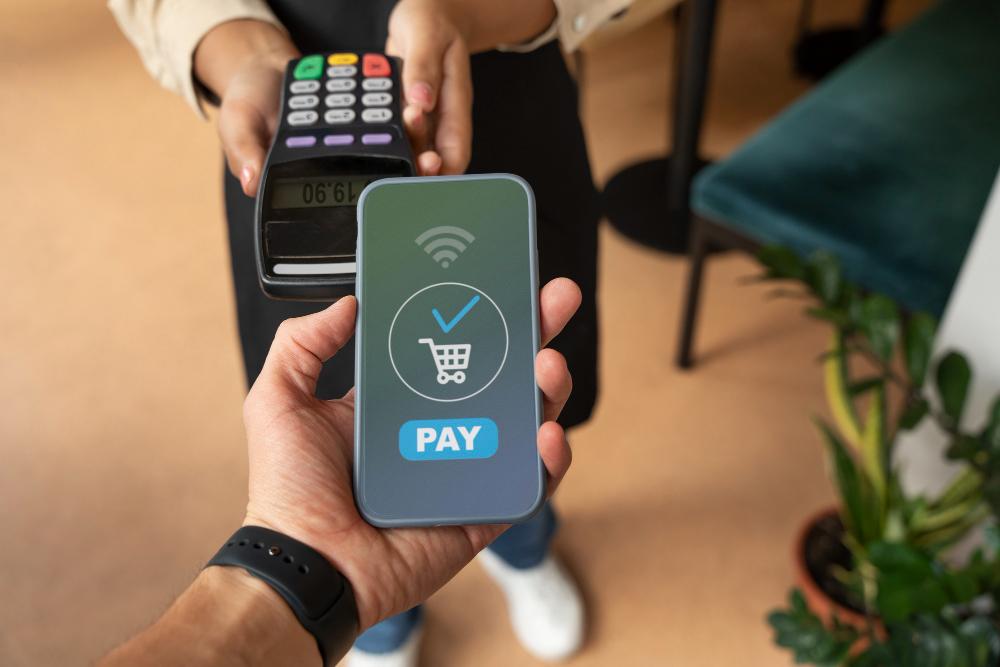
India’s digital payment system has grown at an unbelievable speed in the past few years. From buying vegetables at a local shop to paying electricity bills people have started depending on UPI for almost every transaction. On the other hand, credit cards have always been a trusted tool for those who want to enjoy rewards cashback and easy credit. Now the National Payments Corporation of India has introduced a big change by linking UPI with credit cards. This is one of the most important developments in India’s payment system because it connects the most popular payment method with one of the strongest financial tools.
Here, we will look at what UPI credit card linkage means why it is being introduced and how it will affect both users and the Indian economy. We will also cover the benefits and possible challenges so that readers can get a clear idea of what lies ahead.
What Is UPI Credit Card Linkage?
UPI or Unified Payments Interface is a system that allows instant money transfer between bank accounts through mobile apps. Today almost every person in India who owns a smartphone has at least one UPI app. It has replaced cash in many places because it is quick simple and free of extra charges.
Credit cards work in a different way. They give users a credit line that can be used for shopping bill payments or online purchases. Users have to repay the amount within a billing cycle. Credit cards offer several benefits like cashback reward points travel benefits and discounts. Until now credit cards were accepted only at shops with card machines or online platforms.
With this new change credit cards can be linked to UPI apps like Google Pay PhonePe and Paytm. This means that when a user scans a QR code they will be able to choose their credit card instead of just their bank account or debit card.
Read: How to Use UPI to Pay Credit Card Bills Quickly and Securely
Why Is This Linkage Important?
The main reason is convenience. UPI is accepted at more than 50 million merchants while credit cards are accepted at only about 6 million places that have swiping machines. Linking the two systems will make credit cards more widely usable.
Another reason is financial growth. India is already a global leader in UPI payments. If credit cards are allowed on UPI, digital payments will grow even more, and people will find it easier to use credit for their everyday needs.
Benefits for Users
UPI credit card linkage offers several strong benefits for everyday users. Some of the most important ones include:
- Convenience at every shop: Users can pay through UPI apps using their credit cards at even the smallest local shops. Earlier this was possible only at places with card swiping machines. Now every QR code works for credit payments too.
- Reward points and cashback everywhere: With this change users can enjoy the same rewards discounts and cashback from their credit cards while paying small vendors or local stores. This was earlier limited to big shops or online purchases.
- Better credit access for young users: Students and young professionals who mostly rely on UPI can now use their credit cards more often. This helps them build a good credit history which is useful for future loans.
- Easier expense tracking: All debit and credit transactions will appear in the UPI app itself. This gives users a clear view of their spending and makes budgeting simpler.
- No need to carry cards: Users no longer have to worry about carrying physical credit cards or swiping them. Payments are made directly from a smartphone which reduces the risk of loss or misuse.
Read: UPI for Business: Tips to Maximize Efficiency and Security
Possible Effects on Credit Card Transactions
Linking credit cards with UPI will impact the financial system in many ways. Some of the possible effects are:
- Change in Merchant Discount Rate: At present UPI transactions are free for users while credit card transactions involve charges. RuPay cards which are first to be linked with UPI have lower charges compared to Visa or Mastercard. Clear rules will be required to keep things fair.
- Increase in credit card usage: UPI is accepted by over 50 million merchants compared to just 6 million with POS machines for credit cards. This linkage will expand credit card acceptance and boost usage.
- Need for a new transaction structure: UPI payments are verified with a UPI PIN while credit cards require PINs or OTPs. For smooth linkage a secure and unified structure will be needed.
- Boost to the Indian economy: With credit available through every UPI QR code overall spending may increase. This can improve sales for merchants and support digital growth.
- Greater responsibility on users: As credit becomes easier to use people must take care not to overspend. Monitoring limits and timely repayments will be more important than ever.
Challenges of UPI Credit Card Linkage
The benefits are easy to see, but there are also a few challenges. One major challenge is the cost of transactions for banks and payment providers. If charges are kept too low, it may not be sustainable for them in the long run.
Another challenge is security. Credit card frauds are already a concern and linking them with UPI could increase the risks. Stronger security measures will be required to protect users.
There is also a need for awareness. Many people in smaller towns may not immediately understand how to use credit cards with UPI. Clear communication will be necessary to ensure safe and correct usage.
What It Means for the Future
This linkage shows that payments in India are moving toward a cashless model where everything can be done with just a phone. Soon more banks and card networks will join & users will enjoy wider acceptance and more flexibility.
Bottom Line
UPI credit card linking is a big step forward for India’s payment system. It combines the ease of UPI with the benefits of credit cards, making payments more convenient while offering rewards and easier access to credit. If used carefully, it can help more people manage money better and support India’s move towards a digital-first economy. Overall, it shows that payments in India are becoming simpler, smarter, and more user-friendly.



Leave a Reply