
Virtual Credit Cards: The Future of Secure Digital Payments
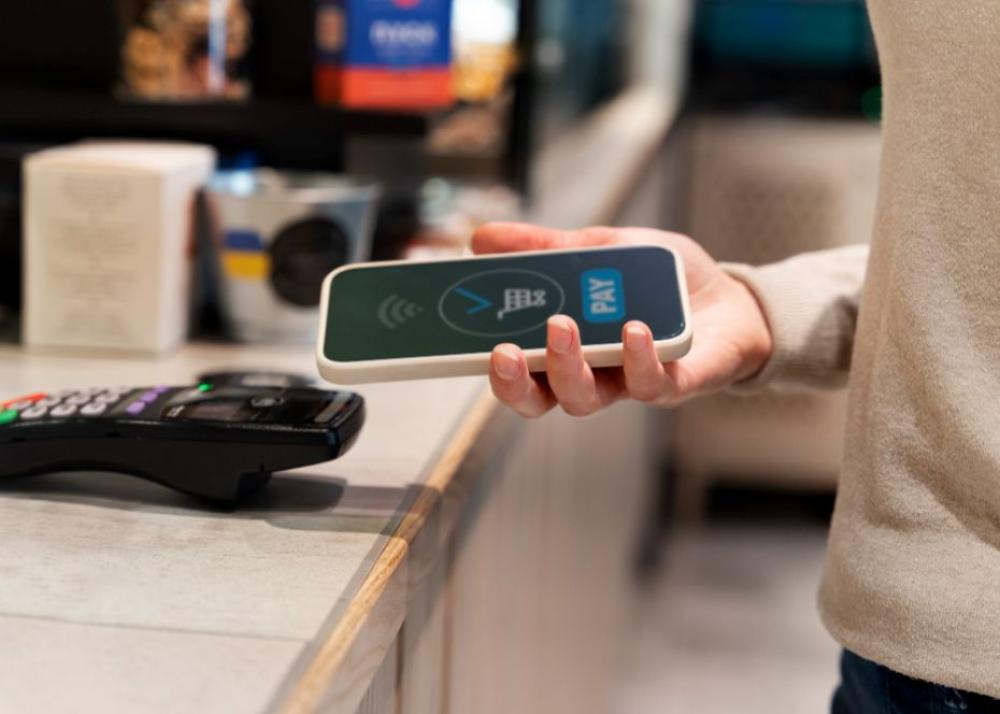
A few years ago, Riya, a college student, bought her first laptop online. She used her regular credit card, entered the details, and completed the payment. A week later, she got a message that her card was used for an unknown purchase. She panicked and blocked her card immediately. Today, Riya doesn’t worry about such things. Whenever she shops online, she uses a virtual credit card. Even if someone gets her payment details, the card becomes useless after one transaction. This small shift in her payment habit shows how virtual credit cards are making digital transactions safer and smarter.
What Is a Virtual Credit Card?
A virtual credit card is a digital version of your regular credit card that exists only online. It’s linked to your actual card account but uses a separate, temporary number whenever you make a purchase. That means even if a hacker tries to steal your payment details, they won’t be able to use them again.
You can easily create a virtual card through your bank’s website or mobile app. It usually takes less than a minute. You can also decide how much money can be spent using that card and when it should expire. If you make one-time purchases, you can set the card to work only once and then automatically deactivate itself.
The Rise of Virtual Credit Cards
As digital payments grow rapidly, people want quick and secure ways to pay online. Virtual credit cards, often called VCCs, are one of the most useful innovations in recent years. They are digital-only cards that offer both safety and convenience. Instead of using your main card number on websites or apps, you can create a temporary virtual card for that specific payment. This keeps your main card information hidden and protected.
With more people shopping online, paying for subscriptions, and using financial apps, virtual credit cards have become a preferred option. They’re not just a new trend; they represent how people are adapting to a digital-first world.
Benefits of Using a Virtual Credit Card
Virtual credit cards bring many advantages for both individuals and businesses.
- Better Security Every virtual card generates a unique card number, CVV, and expiry date. Once the transaction is complete, that card number becomes useless for anyone else. This makes it much harder for cybercriminals to steal or misuse your information.
- Complete Spending Control You can limit how much can be spent on each virtual card. This is perfect for managing subscriptions, avoiding unwanted renewals, and controlling your monthly online spending.
- Easy Creation and Cancellation Creating or canceling a virtual card takes only a few seconds. If you think your card details are at risk, you can delete the card instantly and generate a new one without waiting for days.
- Ideal for Online Payments Virtual cards are great for e-commerce websites, travel bookings, OTT platforms, and digital services. They make the entire payment process smoother and safer.
- Simple to Manage Most banks and financial apps provide easy dashboards to view all your virtual cards, track transactions, and set alerts for every payment.
How Virtual Credit Cards Work
Using a virtual credit card is very simple. You start by logging into your bank’s app or website. From there, you generate a new virtual card number for your next purchase. The app gives you details like the card number, CVV, and expiry date, just like a physical card. You then use these details at checkout while shopping online. You can set spending limits, choose when the card expires, and track your payments instantly through your banking app.
For example, if you want to buy something from an online store that you’re not fully sure about, you can create a virtual card with a spending limit of ₹2000. Once you use it, even if the site isn’t secure, your main card remains protected.
How Businesses Benefit from Virtual Credit Cards
Virtual credit cards are not only useful for personal payments but also for businesses. Many companies now use them to manage expenses in a more organized way. Instead of giving every employee a physical corporate card, they can create individual virtual cards for travel, marketing, or office expenses.
This gives companies more control over spending and reduces fraud. Every virtual card can have a set limit, purpose, and expiration date. Managers can see real-time spending, approve payments faster, and automatically record transactions in accounting systems.
This method also simplifies the reimbursement process. Since every payment is tracked instantly, there’s no confusion about who spent what. It saves time and improves financial transparency.
Why People Are Moving from Physical to Virtual Cards
The shift from physical to virtual cards is a natural step in today’s digital economy. People prefer digital tools that are fast, safe, and simple to use. Managing physical cards often means waiting for replacements, worrying about loss, and dealing with unauthorized charges. Virtual cards solve these problems.
You can create or cancel them anytime, use them instantly, and even integrate them with your favorite digital wallets like Google Pay or PhonePe. They also align perfectly with the growing popularity of contactless payments and digital banking.
Virtual Credit Cards and the Digital Payment Revolution
India is seeing one of the fastest digital payment transformations in the world. From groceries and electricity bills to movie tickets and online courses, people are now using digital methods for almost everything. Virtual credit cards have become an important part of this change.
They make transactions safer and give users more control. For example, many people now create separate virtual cards for each subscription service like Netflix, Spotify, or Hotstar. That way, if they want to cancel a subscription, they can simply disable that specific card. It’s quick, easy, and secure.
For businesses, virtual cards reduce the risk of fraud and make financial reporting smoother. For banks and fintech companies, they are an opportunity to offer smarter, more customer-friendly solutions.
What’s Next for Virtual Credit Cards?
The technology behind virtual credit cards will continue to grow stronger. In the coming years, we can expect even more advanced features to make them safer and easier to use.
- AI and Machine Learning: These can detect suspicious transactions faster and prevent fraud in real time.
- Blockchain Technology: Could make transactions more transparent and secure, especially for international payments.
- Biometric Authentication: Fingerprints or facial recognition could replace traditional passwords.
- Crypto Integration: Might allow users to make payments with cryptocurrencies such as Bitcoin or Ethereum.
These upcoming changes show that virtual credit cards are only at the beginning of their journey.
Bottom Line
Virtual credit cards are transforming how people and businesses handle digital payments. They combine safety, flexibility, and convenience into one simple tool. From students like Riya who want to shop securely to companies that need better expense control, virtual credit cards offer the perfect balance between protection and freedom.
As digital transactions continue to grow, using virtual credit cards is becoming not just an option but a smart step toward safer and more efficient financial management. The future of payments is digital, and virtual credit cards are leading the way.



Leave a Reply