
What Is KYC Verification? Meaning, Types & KYC Process in India
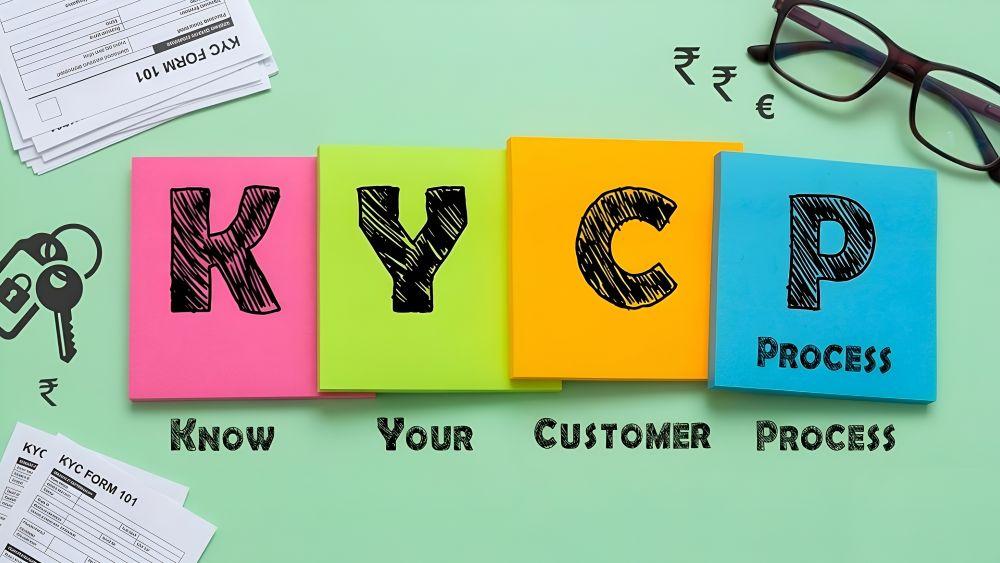
Think about visiting a bank to open a savings account. Before discussing account benefits or interest rates, the bank first asks for your Aadhaar Card and PAN Card. Once your identity and address are verified, the process moves ahead.
This process is called KYC verification. Today, KYC is one of the most important parts of India’s financial system. Whether you are applying for a Personal Loan, opening a bank account, investing in mutual funds, or using a digital payment app, KYC is usually the first step.
Many people think KYC is just paperwork, but it actually helps protect customers and financial institutions from fraud, fake accounts, identity theft, and illegal financial activities. In this easy-to-understand guide, you will learn:
- KYC full form and meaning
- Why KYC is important
- Types of KYC in India
- KYC documents required
- Online and offline KYC process
- Benefits of eKYC
- Common KYC mistakes to avoid
What Is KYC? Full Form and Meaning
KYC full form is “Know Your Customer.” It is also sometimes called “Know Your Client.” KYC is a mandatory verification process used by banks, NBFCs, insurance companies, lenders, and investment platforms to confirm the identity and address of customers before providing financial services.
The KYC process generally includes:
- Identity verification
- Address verification
- PAN validation
- Customer detail checks
Once the verification process is completed successfully, the customer becomes KYC compliant and can access:
- Savings accounts
- Personal Loans
- Credit Cards
- Mutual funds
- Insurance policies
- UPI and digital wallets
The Reserve Bank of India (RBI) made KYC mandatory under the Prevention of Money Laundering Act (PMLA) to improve transparency and reduce financial fraud in India.
Why Is KYC Important in India?
KYC is much more than a document verification process. It helps maintain trust and security in India’s banking and financial ecosystem.
1. Prevents Financial Fraud
KYC helps banks and financial institutions prevent:
- Fake bank accounts
- Money laundering
- Fraudulent transactions
- Identity theft
- Illegal financial activities
Without KYC verification, criminals could misuse fake identities to access banking services.
2. Protects Customers
KYC protects genuine customers from unauthorized financial activities. It prevents fraudsters from opening accounts or applying for loans using someone else’s documents.
3. Improves Banking Security
Banks and NBFCs use KYC to verify customer authenticity before approving loans, bank accounts, or investment products. This improves trust and reduces financial risk.
4. Faster Loan and Banking Approvals
Customers with completed KYC often receive:
- Faster Personal Loan approvals
- Quicker account opening
- Smooth investment onboarding
- Faster credit card processing
Real Life Example of KYC Verification
Let’s understand KYC with a simple example.
Rahul wants to apply for an online Personal Loan of ₹2 lakh. The lender asks him to upload:
- Aadhaar Card
- PAN Card
- Aadhaar linked mobile number
Rahul completes the process online through OTP verification.
Within minutes:
- His identity gets verified
- PAN details are validated
- Address proof is confirmed
Because Rahul completed eKYC successfully, his loan application moves forward quickly and he receives faster approval. Without KYC, the lender cannot legally process the loan.
Types of KYC in India
India currently uses different KYC methods depending on customer preference and financial institution requirements.
1. Aadhaar Based eKYC
eKYC is the fastest and most popular KYC method in India today. Customers verify identity using: Aadhaar OTP, Biometric authentication. The whole process happens online and normally takes just a few minutes.
Benefits of eKYC
- Instant verification
- Fully paperless process
- No branch visits
- Faster loan approval
- Easy online onboarding
2. Video KYC (V-KYC)
Video KYC allows customers to complete verification through a live video call with an authorized representative. During the process:
- Customers show original documents on camera
- Facial verification happens live
- Identity verification is completed remotely
Video KYC combines digital convenience with stronger security.
3. Offline or Physical KYC
Traditional KYC is still preferred by customers who are comfortable with offline banking. In this process:
- Customers visit a branch or KYC center
- Submit photocopies of documents
- Complete manual verification
Offline KYC usually takes a few working days.
4. Central KYC (CKYC)
CKYC allows customers to complete KYC only once and use the same KYC details across multiple financial institutions. CKYC reduces paperwork and saves time. After successful verification:
- A 14 digit CKYC number is generated
- Customers can use the same KYC across registered institutions
KYC Documents Required in India
To complete KYC verification, customers must submit officially valid documents approved by the Government of India.
1. Identity Proof Documents
Customers can provide any one of these documents:
- Aadhaar Card
- PAN Card
- Passport
- Voter ID Card
- Driving Licence
- Government issued Photo ID
2. Address Proof Documents
Accepted documents include:
- Aadhaar Card
- Passport
- Utility Bills
- Bank Statements
- Rent Agreement
- Voter ID Card
3. Most Commonly Used KYC Documents
| Document | Main Purpose |
|---|---|
| Aadhaar Card | Identity + Address Proof |
| PAN Card | Financial & Tax Verification |
| Passport | Identity Verification |
| Voter ID Card | Identity & Address Proof |
| Driving Licence | Identity Verification |
Pro Tip:-
Aadhaar Card is considered one of the best KYC documents because it works as both identity proof and address proof. PAN Card is especially important for:
- Personal Loans
- Credit Cards
- Investments
- Banking services
Step By Step KYC Verification Process
The KYC process is simple and usually takes only a few minutes for digital applications.
Step 1 - Fill Basic Details
Customers provide:
- Full name
- Mobile number
- Date of birth
- Address
- Email ID
Step 2 - Upload Documents
Customers upload:
- Aadhaar Card
- PAN Card
- Other required documents
Step 3 - Verification Process
For digital KYC:
- Aadhaar details are verified through UIDAI databases
- PAN details are verified through government systems
For offline KYC:
- Bank officials manually verify the documents
Step 4 - KYC Approval
After successful verification, the customer becomes KYC compliant and can use financial services without restrictions.
How KYC Helps in Personal Loan Approval
KYC plays a major role in Personal Loan approval because lenders must verify borrower identity before approving credit. Digital KYC has made the loan process much faster and easier in India.
1. Benefits of KYC for Borrowers
- Faster loan approvals
- Reduced paperwork
- Quick fund disbursement
- Better digital experience
- No branch visits
Customers with completed KYC and a good credit score generally experience smoother and faster loan approvals. At RatingOK Personal Loan Guides, users can compare lenders and understand how KYC impacts loan approval speed.
2. Benefits of Digital KYC in India
Digital KYC has completely changed the Indian banking experience. Earlier, customers had to:
- Carry photocopies
- Visit branches multiple times
- Wait several days for verification
Today, eKYC allows customers to complete verification online within minutes.
3. Advantages of eKYC
| Feature | Traditional KYC | Digital eKYC |
|---|---|---|
| Process Type | Offline | Online |
| Verification Time | Several Days | Few Minutes |
| Paperwork | High | Minimal |
| Branch Visit | Required | Not Required |
| Convenience | Moderate | Very High |
Digital KYC also improves security because information is verified directly through official government databases. This reduces:
- Fake documentation
- Identity fraud
- Unauthorized transactions
When Do You Need to Update KYC?
KYC is not always a one time process. Banks and financial institutions may ask customers to update KYC when:
- Address changes
- Mobile number changes
- Aadhaar details are updated
- Documents expire
- Re-KYC notices are issued
RBI Re-KYC Timeline
| Customer Risk Category | KYC Update Frequency |
|---|---|
| High Risk Customers | Every 2 Years |
| Medium Risk Customers | Every 8 Years |
| Low Risk Customers | Every 10 Years |
Many banks now allow online KYC updates using Aadhaar OTP verification.
Common KYC Mistakes to Avoid
Many KYC applications get delayed or rejected because of simple mistakes.
Avoid These Common Errors
- Uploading blurred document images
- Incorrect PAN details
- Name mismatch between Aadhaar and PAN
- Expired documents
- Wrong mobile number
- Incomplete address proof
Checking your documents carefully before submission can help avoid delays and rejection.
What Happens If KYC Is Not Completed?
If customers fail to complete KYC, financial institutions may restrict services.
Possible issues include:
- Frozen bank transactions
- Delayed loan approvals
- Limited banking access
- Credit card restrictions
- Investment service interruptions
Banks regularly send SMS and email reminders asking customers to complete or update KYC details. Completing KYC on time helps avoid unnecessary banking problems.
Why Every Indian Customer Should Understand KYC
Today, almost every financial service depends on KYC verification. Whether you are:
- Opening a savings account
- Applying for a Personal Loan
- Investing in mutual funds
- Using UPI apps
- Applying for a Credit Card
KYC is usually the first step. Understanding KYC helps customers:
- Avoid fraud
- Complete applications faster
- Improve financial security
- Reduce approval delays
Even basic awareness about KYC can help customers make smarter financial decisions.
Bottom Line
KYC - "Know Your Customer" is one of the most important pillars of India’s financial system. It helps banks, lenders, and financial institutions verify customer identity, prevent fraud, improve banking security, and follow RBI regulations. Whether you are opening a bank account, applying for a Personal Loan, or investing online, KYC verification is the first and most essential step.
Modern solutions like eKYC and Video KYC have made the process much faster, safer, and more convenient for Indian users. At RatingOK, we simplify banking, loans, credit cards, and financial topics so users can make smarter financial decisions with confidence and avoid unnecessary delays in financial services.


Leave a Reply