
Credit Cards vs Cash: 7 Reasons You Should Make the Shift Today

Many people in India still use cash for shopping, bills, or travel. It feels familiar and easy. But times are changing. Credit cards now offer more features, more control, and more safety. If you are still using cash for most of your expenses, you may be missing out on several benefits.
Credit cards are not just for rich people or big spenders. Anyone with a stable income can apply for one. And when used properly, they can help you save money, manage spending, and build a good financial future.
Minimum Salary Needed to Get a Credit Card in India

Credit cards are becoming a common part of our daily lives. From online shopping to emergency expenses, they offer convenience and flexibility. But before you apply for one, there’s something you need to know: the minimum salary required. In India, banks have different salary requirements depending on the type of card. Some credit cards are made for high-income individuals, while others are designed for beginners or first-time users. That’s why it’s important to check the eligibility criteria carefully.
5 Clear Signs You Should Apply for a New Credit Card Now

Credit cards have become an essential part of modern financial life. They offer convenience, rewards, and added value when used wisely. But sometimes, your current card may no longer meet your needs. If you’re wondering whether it’s time to upgrade or get a new credit card, here are five clear signs that suggest you should.
What is a Multi-Currency Forex Card? A Beginner’s Guide

If you’re traveling to different countries with your family, handling different currencies can get confusing. You might have to exchange money every time you enter a new country, which takes time and effort. A multi-currency forex card makes things simple by letting you add different foreign currencies to one single card. So, whether you're spending in Euros in France or Pounds in the UK, you can use the same card without needing to exchange cash each time.
Credit Card Bill Mistake? Here's What To Do Immediately

What Is CVV on a Credit Card and Why Is It Important?

When you shop online or pay over the phone using your credit card, you might be asked to enter a three-digit number called the CVV. But what exactly is this CVV, and why do you need to use it? In this blog, I’ll explain what CVV means, how it works, and why it’s important to keep your credit card safe.
How to Choose or Change Your Credit Card Payment Due Date
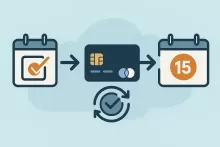
Paying your credit card bill on time is a big part of keeping your finances healthy. It helps you avoid late fees, keeps your credit score strong, and lowers stress. But what if your current due date just doesn’t work for you? Maybe it falls before payday or overlaps with other bills. The good news is — most credit card companies let you choose or change your payment due date. This small change can give you more control over your money.
Let’s explore why you might want to change your due date, how to do it, and what benefits it can bring.
Know Your Credit Score: Role of CIBIL, Experian & Others in India

Rahul had big dreams. After getting his first job in Mumbai, he wanted to buy a laptop, furnish his small, rented flat, and maybe even get a bike on EMI. But there was one problem—he didn’t have enough savings. Like many young professionals, Rahul thought of applying for a credit card and maybe even a small personal loan.
So, one afternoon, he walked into a nearby bank, filled out the forms, and waited eagerly. A few days later, he got a message: “Loan Application Rejected.”
10 Things to Always Check in Your Credit Card Statement
Many people just glance at their credit card statement, see the total amount they owe, and then forget about it. But your statement actually tells you a lot about how you spend and use your card. If you spend a few extra minutes looking at it carefully, you can find mistakes, avoid extra fees, and even help improve your credit score.
Here’s an easy, step-by-step guide to the 10 important things you should always check on your credit card statement:
What Is Overlimit Facility in a Credit Card? Explained Simply
We all know that credit cards come with a credit limit—a maximum amount you’re allowed to spend. But sometimes, life happens. You might be out shopping, booking flight tickets, or paying a hospital bill when suddenly you realise you’ve already used up your limit. So, what now?
This is where the Overlimit Facility comes into play.
Let’s break it down in the simplest way possible, especially for Indian credit card users.
Best Travel Credit Cards in India 2025

Travel is one of life’s greatest pleasures, but it can come with a hefty price tag. This is where travel credit cards come in handy, offering a variety of rewards, benefits, and perks that can make your travel experiences more enjoyable and affordable. Whether you’re earning air miles, getting exclusive airport lounge access, or enjoying travel insurance, the right travel credit card can make all the difference.
How to Build a Savings Plan With Your Credit Card
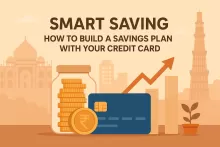
When people think about credit cards, the first thing that usually comes to mind is spending. But what if you could actually use your credit card to help you save money instead? While credit cards are not savings accounts, they can still play a smart role in your financial plan—if you use them carefully. In this blog, we’ll show you how to create a savings plan using your credit card, in a way that’s simple, safe, and practical.
Credit Card Travel Insurance in India: What You Need to Know

Suppose Rakesh from Delhi booked a family trip to Manali using his credit card. Everything was ready—flights, hotel bookings, and even the itinerary. But just two days before the trip, his daughter fell sick. He had to cancel the trip, and he was worried about losing all the money he had spent.
Surprisingly, Rakesh got most of his money back. His credit card had travel insurance, and it helped cover the cancellation costs. He didn’t even know this benefit existed!
6 Common Credit Card Mistakes That Could Cost You Big

Credit cards can make life more convenient by offering rewards and helping you improve your credit score. However, if you're not careful, they can also lead to financial problems. Many people make simple mistakes when using their credit cards, which can result in high interest charges, unexpected fees, or even fraud. Here are six common mistakes that people make with credit cards, and tips on how to avoid them.
What Happens If You Stop Using Your Credit Card in India?
If you have a credit card but don’t use it for a long time, the bank might treat it as "inactive." Banks want customers to use the credit cards they issue. If the card is not used for several months, they may lower your credit limit or even cancel the card.
Although banks in India usually don’t charge any inactivity fees, they still have the right to close your card if you don’t use it for a long time.