
Credit Cards Explained: A Comprehensive Guide for New Users
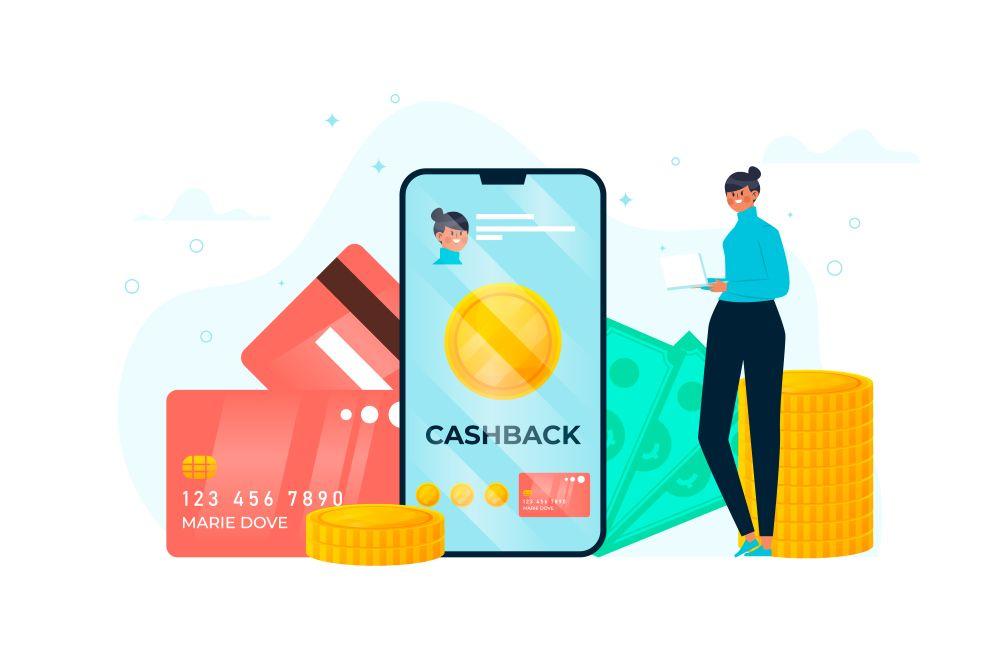
Credit cards have become an important part of daily life. Whether you shop online, pay bills, book flights, or order food, credit cards are widely used across the world. If you are new to credit cards, they might feel confusing at first. Learning how they work and how to use them responsibly can make your financial life easier and even rewarding. This guide explains everything beginners need to know about credit cards, including how they work, their types, benefits, and tips to use them wisely.
What is a Credit Card?
A credit card is a payment card issued by banks or financial institutions that lets you borrow money to buy things or pay for services. Unlike a debit card, which uses money directly from your bank account, a credit card allows you to borrow money up to a certain limit and then repay it later. If you do not pay the amount in full, interest is charged.
Think of a credit card as short-term borrowed money for your everyday expenses. You do not spend your own money immediately. You use the bank’s money and repay it later. This is why it is very important to manage your spending wisely and pay your bills on time.
How Do Credit Cards Work?
Using a credit card is simple but understanding how it works is important. When you buy something using a credit card, the bank pays the seller for you. You then repay the bank, either in full at the end of the month or in monthly installments.
For example, if your credit limit is Rs. 2,00,000 and you buy a laptop for Rs. 50,000, you are borrowing Rs. 50,000 from the bank. You can either pay back the full amount by the due date or pay in parts over several months. If you pay only part of the amount, interest is charged on the remaining balance.
You’ll get your credit card bill every month. This statement shows:
- Total amount spent
- Your outstanding balance
- The minimum payment required
- The last date to make the payment
Reading your statements carefully is important. Paying only the minimum amount can lead to interest charges and increase your debt over time.
Key Features of a Credit Card
Credit cards come with several features that beginners should know about.
- Credit Limit: This is the maximum amount you can spend using your card. Banks decide this based on your income and credit history. Using only a portion of your credit limit is recommended to maintain a good credit score.
- Interest Rate: If you do not pay your balance in full, interest is charged on the remaining amount. This is known as the Annual Percentage Rate, or simply APR. The interest rate varies depending on the card and your credit history.
- Minimum Payment: This is the least amount you need to pay every month. Paying only the minimum amount increases your debt over time because interest is added to the remaining balance.
- Fees: Credit cards may have annual fees, late payment charges, or extra charges for exceeding your credit limit. Always check the fees before applying for a card.
- Rewards: Many cards offer rewards such as cashback, points, or travel miles for every rupee spent. Make sure the rewards program suits your spending habits.
- Grace Period: The grace period is the time between your billing date and the due date. If you pay the full amount during this time, you will not be charged interest on your purchases.
Types of Credit Cards
There are several types of credit cards designed for different needs and spending habits.
- Standard Credit Cards: These are basic cards that provide essential features. They usually have lower fees but fewer rewards.
- Reward Credit Cards: Reward cards give you cashback, points, or travel benefits for your purchases. They are ideal for those who want to make the most of their spending.
- Balance Transfer Cards: These cards allow you to transfer debt from one card to another, often with lower interest rates or even zero percent interest for a few months. This helps pay off debt faster and saves money on interest.
- Secured Credit Cards: For beginners or people with low credit scores, secured credit cards require a deposit that acts as collateral. Using them responsibly can help build or improve your credit history.
- Student Credit Cards: Designed for college students, these cards have lower limits and simpler terms to help young adults learn about credit.
- Business Credit Cards: These are meant for business owners. They offer higher limits and perks related to business expenses.
Benefits of Using a Credit Card
Credit cards provide many benefits if used responsibly.
- Building Credit History: Using a credit card responsibly improves your credit score, which is important when applying for loans or other credit cards in the future.
- Convenience: Credit cards are accepted almost everywhere. They are easy to use for online payments, in stores, and even abroad.
- Security: Most credit cards have fraud protection. If your card is lost or stolen, you are usually not liable for unauthorized charges.
- Rewards and Perks: Many cards offer cashback, reward points, or travel benefits on purchases. You can earn rewards while buying groceries, clothes, or booking travel tickets.
- Emergency Use: Credit cards can help in emergencies when you do not have enough cash. For example, medical bills, car repairs, or urgent travel expenses. However, it is important to repay the borrowed amount quickly to avoid high interest charges.
Tips for Beginners
If you are new to credit cards, follow these tips to manage your card wisely.
- Pay Your Balance in Full: Always try to pay the full balance every month to avoid interest.
- Make Payments on Time: Late payments can hurt your credit score and result in extra charges. Use reminders or automatic payments to stay on track.
- Understand Fees: Read the terms and conditions to know about annual fees, late charges, or foreign transaction fees.
- Do Not Max Out Your Card: Using all of your credit limit can reduce your credit score. Try to use less than thirty percent of your available credit.
- Track Your Spending: Keep a record of your purchases to avoid overspending. Credit cards can make it easy to spend more than you can afford if you are not careful.
- Choose the Right Card: Pick a card that fits your financial goals. A travel rewards card is useful if you travel often. A balance transfer card is good if you want to pay off existing debt.
- Check Your Credit Report: Regularly review your credit report to ensure your credit usage is reported accurately. In India, you can get one free report each year from each of the three major credit bureaus.
Common Mistakes to Avoid
- Paying only the minimum amount due
- Missing payments
- Using too much of your available credit
- Applying for too many cards at once. Multiple applications can temporarily reduce your credit score.
Understanding Credit Scores
A credit score is a number that shows how likely you are to repay borrowed money. It reflects how well you manage and repay the money you borrow. Using a credit card wisely, paying bills on time, and keeping spending low improves your score. A higher credit score makes it easier to get loans or credit cards with better terms.
Using Credit Cards Abroad
Credit cards are convenient for international travel. They reduce the need to carry cash and are safer than carrying money. Check for foreign transaction fees and choose a card with low international charges to save money.
Rewards Programs
Many credit cards offer rewards for usage. These can include cashback, points that can be redeemed for products or discounts, and travel miles for flights and hotel bookings. Choose a rewards card that matches your spending habits to get maximum benefits.
Emergency Use
Credit cards can act as a backup in emergencies. Sudden medical expenses, car repairs, or urgent travel can be covered using a credit card. Always have a plan to repay the amount quickly to avoid interest charges.
Bottom Line
Credit cards are useful financial tools if used responsibly. They provide convenience, security, rewards, and help build a strong credit history. For beginners, it is important to understand how credit cards work, pay bills on time, manage spending carefully, and choose the right card for your needs. Using a credit card wisely allows you to enjoy its benefits and avoid common mistakes that lead to debt. A credit card is borrowed money and must be managed carefully. When used responsibly, it can be a helpful tool to manage expenses, earn rewards, and build a strong financial future.



Comments
This information is very…
This information is very useful. Thanks
Leave a Reply