
Credit Cards vs UPI: Which Is Better for Daily Expenses?
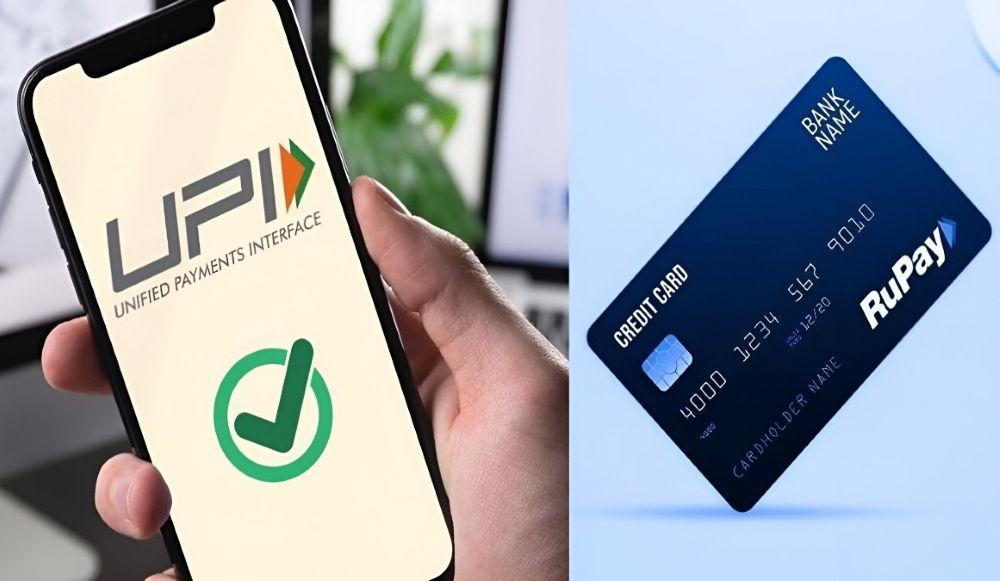
In recent years, digital payments in India have seen a massive shift. People are moving away from cash and turning to convenient options like credit cards and UPI (Unified Payments Interface) for their everyday spending. While both methods are widely accepted and easy to use, they each have their own benefits and drawbacks, especially when it comes to managing daily expenses.
If you often find yourself paying for groceries, fuel, meals, or online shopping, it's worth understanding how credit cards and UPI compare. Choosing the right payment method can make your financial life smoother, more rewarding, and even safer.
What is UPI?
UPI is an instant payment system created by the National Payments Corporation of India (NPCI). You link your bank account to a UPI-enabled app like Google Pay, PhonePe, Paytm, or BHIM, and make instant payments using your mobile phone. Payments are processed within seconds, 24/7—even on holidays.
The biggest advantage of UPI is its simplicity. There's no need to carry cash or cards, and payments happen instantly. It’s especially useful for small, everyday transactions like paying a rickshaw driver or splitting a bill with friends. Plus, there's no need to worry about minimum balance or credit limits, since it directly deducts money from your bank account.
What is a Credit Card?
A credit card is a line of credit provided by a bank. You can use it to make purchases now and pay the bill later—usually with up to 45–50 days of interest-free credit. If you don’t pay the full bill on time, you pay interest on the outstanding amount, which can be quite high.
Credit cards also offer several perks like cashback, reward points, lounge access, and travel benefits. Many users prefer using credit cards for regular expenses because of these rewards and the ability to track expenses in monthly statements.
Another big plus is the interest-free credit period. You can spend now and pay later—especially helpful when you're short on cash but need to make a purchase.
Head-to-Head Comparison
Here’s a quick look at how UPI and credit cards compare on key factors that matter in daily life:
Convenience & Speed
- UPI: Extremely quick. Just scan a QR code or enter a mobile number, and you're done. No need to carry a card.
- Credit Card: Also fast, especially with contactless tap-and-pay, but you need the physical card or card details.
- Winner: UPI (slightly more convenient for mobile-first users)
Acceptance
- UPI: Accepted almost everywhere—from street vendors to malls.
- Credit Card: Common in restaurants, petrol pumps, and retail stores, but some small shops may not accept cards due to transaction fees.
- Winner: UPI
Rewards & Cashback
- Credit Card: Offers reward points, cashback, discounts, air miles—great if you pay your bills on time.
- UPI: Limited offers, though some apps (like PhonePe or Paytm) offer cashback during promotions.
- Winner: Credit Cards
Budget Control
- UPI: Directly deducts from your bank account. You spend what you have—easier to manage.
- Credit Card: Easy to overspend since you’re using borrowed money. If you don’t keep an eye on it, you could end up in debt.
- Winner: UPI (better for staying on budget)
Security
- UPI: Safe with PIN-based authentication. Still, be careful of fraud calls and scam links.
- Credit Card: Secure with OTPs, EMV chips, and fraud protection, but card theft or phishing is a risk.
- Winner: Both have strong security, but only if you use them wisely
Building Credit Score
- UPI: No impact on credit score.
- Credit Card: Using a credit card responsibly builds your credit score, which is important for loans in the future.
- Winner: Credit Cards
When UPI Might Be the Better Choice
For users who prefer to keep tight control over their spending, UPI is often the smarter pick. Since you're using money from your savings account directly, it limits overspending and helps you stay within your budget. There's no risk of interest charges or debt traps, which can be a concern with credit cards.
UPI is also more widely accepted in smaller shops and among local vendors. Many people, like tea sellers and vegetable vendors, fully depend on UPI for taking digital payments. So if most of your daily expenses happen in local markets or small businesses, UPI becomes more practical and accessible.
Where Credit Cards Shine for Daily Spending
Credit cards are ideal for users who are confident in managing money and paying bills on time. The rewards, cashback, and discounts can actually save you money over time. For example, frequent grocery or fuel buyers can benefit from cards that offer special points or waivers.
They also provide a buffer during emergencies. If you're temporarily low on funds, a credit card can help you cover expenses until your salary is credited or your budget is back on track. Just be careful not to carry forward the balance to avoid interest charges.
Credit cards also come with benefits like EMI conversion, insurance covers, and fraud protection—features that can be helpful beyond daily spending.
So, Which is Better for Daily Expenses?
It depends on your habits and needs. If you want simplicity, wide acceptance, and better budget control – go with UPI. It’s best for low-value, frequent purchases and keeps your financial discipline in check.
If you’re good at managing money and want to earn rewards and build credit – a credit card can work well. It’s a useful tool if you use it smartly and pay the full amount every month.
Final Thoughts
Ideally, you can combine both options. Use UPI for smaller day-to-day transactions and credit cards for larger or recurring purchases where rewards matter. This way, you get the best of both worlds—convenience, control, and smart money management.
No matter which method you pick, just make sure it suits your spending style and financial plans. In the end, managing your money well is just as important as how you spend it.



Leave a Reply