
Smart Ways to Manage a Credit Card When You Earn Less
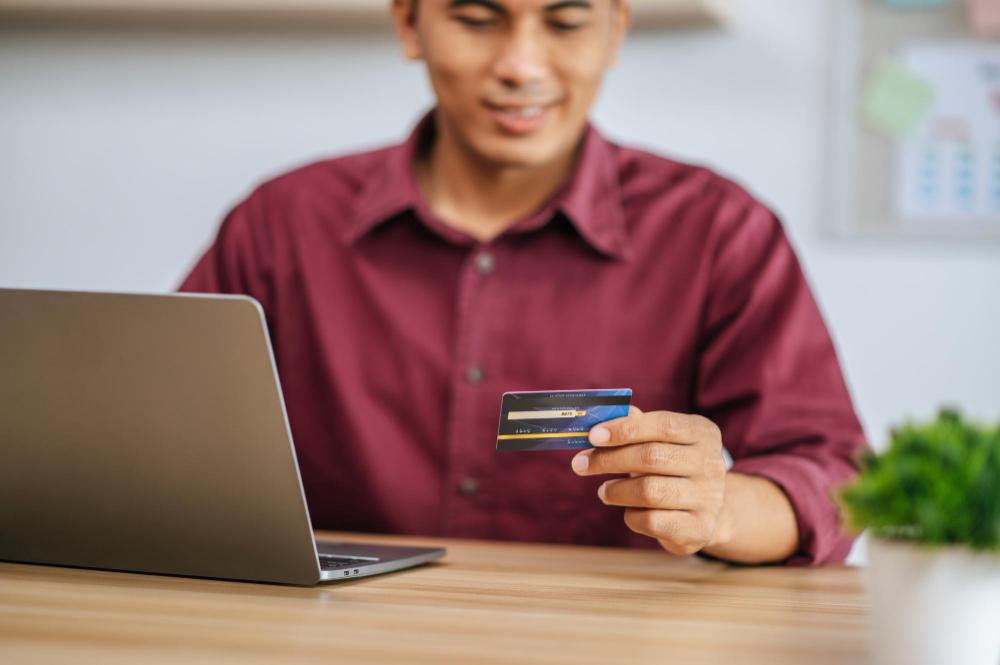
Credit cards have become common in India. People use them to pay for groceries, utility bills, shopping, food delivery, and even booking movie tickets. Credit cards are fast, convenient, and sometimes give cashback or reward points. For people earning a small or limited income, a credit card can help manage daily expenses and emergencies. But if not used carefully, it can lead to debt, high interest, and late fees.
For many Indians, a credit card is the first formal financial product. Learning how to use it wisely is important to avoid stress and manage money better. Here, we will explain smart ways to use a credit card when your income is low, with simple tips and real-life examples.
Why Credit Card Management Is Important for Low Income Earners
Credit card interest rates in India are high. Missing even one payment can result in extra charges. Late fees and interest can quickly disturb a monthly budget. Without proper management, a credit card can become a financial burden. That is why understanding your card and using it wisely is critical.
Good credit card habits help you:
- Avoid unnecessary fees and interest
- Build a strong credit score
- Handle short-term expenses easily
- Access better financial products in the future
Rohan and Priya’s Story: Learning to Use Credit Cards Wisely
Rohan got his first credit card after starting his job. At first, it felt exciting. He used it to order books online, pay for food, and buy gadgets. Everything was easy. But when his first bill arrived, he was shocked. The interest and late fees had increased the total amount significantly.
Rohan’s cousin Priya faced a similar problem. She earned a modest salary but treated her card like extra money. She maxed out her limit without thinking about repayment. When her bill came, most of the payment went toward interest.
Both learned that a credit card is a tool, not free money. They changed their habits. Rohan created a monthly budget and spent only what he could repay. Priya tracked her expenses and set reminders to pay bills on time. Within a few months, both avoided interests, earned rewards, and improved their credit scores.
Lessons from Rohan and Priya:
- Understand your credit card rules before using it
- Spend only what you can repay fully
- Track your spending and set reminders
- Use rewards responsibly
Read: RuPay Credit Card Benefits: 10 Ways It Saves You Money
Understand Your Credit Card and Set a Budget
Before using a credit card, you should understand its rules. Every card has:
- Billing cycle and statement date
- Payment due date
- Interest-free period
- Interest on unpaid balance
- Late fees
- Annual or renewal charges
Ignoring these details can cause surprises and unnecessary costs.
After knowing the card’s terms, create a monthly budget. List fixed expenses like rent, groceries, electricity, school fees, and transport. Then calculate how much money is left for credit card use.
Simple budgeting steps:
- Calculate total monthly income
- List all fixed expenses
- Set a safe credit card spending limit
- Review expenses weekly
Following a budget helps prevent overspending, ensures repayment, and reduces stress. To understand it more, you can also read article "How to Convert Credit Card Debt into EMIs: A Quick Guide"
Choose the Right Card and Use It Responsibly
Not all credit cards are suitable for low-income earners. Many banks in India offer basic credit cards with low limits and low or zero annual fees. These cards are easier to manage and reduce the risk of overspending.
Avoid premium cards that require high spending to unlock rewards. Instead, look for cards that provide:
- Low or zero annual fees
- Simple rewards or cashback on groceries, fuel, or bills
- Easy bill payment options
- Low interest rates on purchases
Always remember, a credit card is a tool to manage expenses, not extra income. Spend only what you can repay in full.
Pay Your Credit Card Bills on Time and Track Spending
Paying your credit card bill on time is very important. Missing payments leads to late fees, extra interest, and a lower credit score.
Tips to stay on track:
- Set reminders on your phone or calendar
- Enable auto debit if possible
- Always try to pay the full bill, not just the minimum
Benefits of timely payments:
- Avoids late fees
- Prevents interest charges
- Improves credit score
- Reduces financial stress
Tracking spending is equally important. Most banks in India offer mobile apps that show real-time transactions. Reviewing your spending every few days helps you stay within your budget and avoid unnecessary purchases.
Use Rewards and Cashback Wisely
Credit card rewards can save money if used carefully. Many Indian cards give cashback on groceries, fuel, or utility bills. Use your card for essential purchases to earn rewards without overspending.
Tips for using rewards:
- Do not spend extra just to earn points
- Redeem points for vouchers, bill payments, or discounts
- Avoid luxury purchases just for reward points
Avoid Cash Withdrawals and Keep Credit Usage Low
Using a credit card to withdraw cash is expensive in India. Banks charge high fees and interest starts immediately. Even small cash withdrawals can create repayment problems.
Keep your credit usage below thirty percent of your total limit. Low usage shows responsible behavior, improves your credit score, and lowers the risk of debt.
Simplify Credit Management and Build Emergency Savings
Using multiple credit cards can be risky, especially with limited income. Managing one card well is safer and simpler.
An emergency fund is also important. Saving even a small amount each month can help during medical emergencies or urgent expenses. This reduces dependence on credit cards and protects you from long-term debt.
Read: Multiple Credit Cards from the Same Bank: Good or Bad Idea?
Maintain a Good Credit Score and Use Credit Cards Wisely
A good credit score is essential for future loans and financial products. You can maintain it by:
- Paying bills on time
- Keeping spending under control
- Avoiding maxing out your credit limit
Credit cards should be used for planned or emergency expenses. Avoid using them for regular spending that exceeds your income. Start with a low-limit card to build a good credit history over time.
Bottom Line
Using a credit card on a low income is possible with discipline. Spend only what you can repay, pay bills on time, track your spending, and use rewards wisely. With these habits, credit cards can help manage expenses, earn rewards, and build a strong credit score without financial stress. You can apply Most Popular Credit Cards using the Apply Now button provided below.


Leave a Reply