
How a Credit Card Can Be Your Lifeline in an Emergency
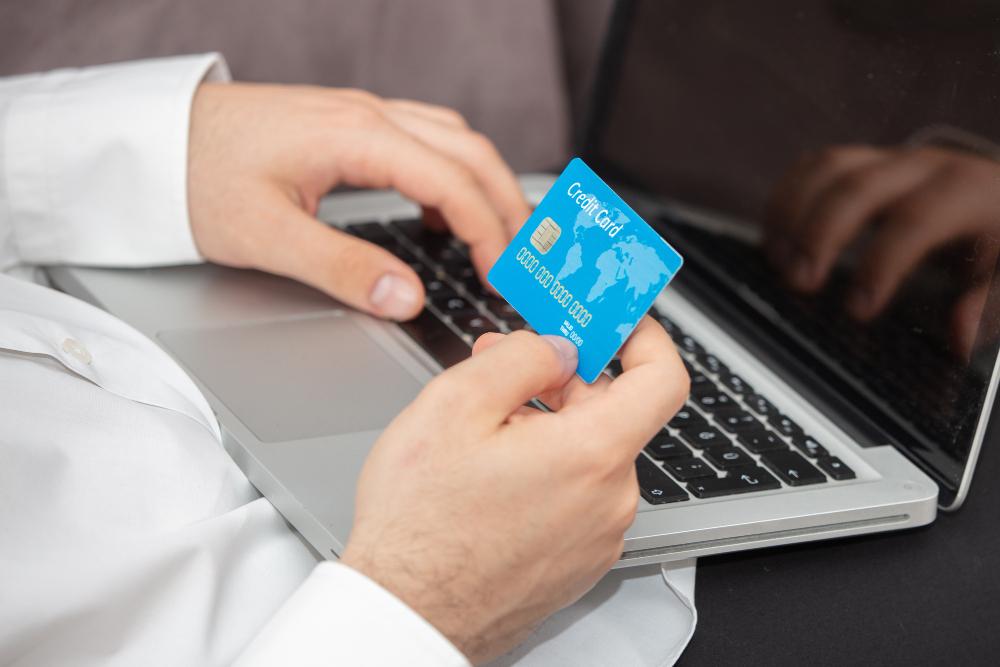
Life doesn’t always go as planned. One day everything feels fine, and the next you might face a medical emergency, sudden job loss, urgent travel, or a big car repair. In such moments, having quick access to money is very important. While saving money is always good, not everyone can keep large amounts aside for emergencies. In such cases, having a credit card can make things much easier.
In India, more people are using credit cards, but many still hesitate. Some think credit cards are only for spending or borrowing money, but that’s not true. If used carefully, they can provide great support during emergencies. Let’s see how a credit card can really help when times get tough.
Quick Access to Credit When You Need It Most
Emergencies require immediate action. Whether it is an accident that needs hospitalization, a last-minute flight, or an urgent repair at home, the first thing you need is liquidity, which means money that you can access right away. Applying for a personal loan at that moment may not be fast enough. It can take time for approval, paperwork, and disbursal. That is where having a credit card already in hand gives you an edge.
With a credit card, you can instantly swipe, tap, or use it online for transactions without waiting. For instance, if your vehicle breaks down and needs repairs that cost ₹20,000, you do not need to think twice if you have a credit limit available. Having a sense of calm and security is invaluable when problems arise.
The Interest Free Period Is a Huge Advantage
One of the biggest benefits of using a credit card in India is the interest free period. This is the time between your transaction date and your payment due date during which you do not have to pay any interest, provided you clear your entire outstanding amount on time.
Typically, the interest free period ranges from 20 to 50 days depending on your card’s billing cycle. If your billing cycle is from the 1st to the 30th of a month, you need to pay your bill by the 20th of the next month. If you spend money on your credit card on the 2nd of a month, you could get up to 48 days to repay the amount.
This gives you breathing space to arrange money and repay your dues without any interest burden. During an emergency, that short term relief can be extremely helpful.
Credit Card Cash Withdrawals as a Last Resort Option
Many credit cards let you take out cash from ATMs. While this is usually discouraged due to high fees and immediate interest charges, in an absolute emergency when there is no other way to access funds, this facility can be a real saviour.
Imagine being in a remote town with no UPI or card payment facilities and needing to make a critical payment in cash. Your credit card allows you to withdraw the needed amount without going through a loan process or calling someone for help. Of course, this should be used only when necessary, and it is important to repay it as soon as possible to avoid high interest.
Helping with Hospital Bills and Medical Emergencies
Medical expenses are among the most common and stressful financial emergencies for Indian families. Even if you have health insurance, there can be delays in claim approvals or initial deposits required at the time of admission. Most private hospitals ask for upfront payment before they start treatment, even if insurance will cover it later.
Having a credit card in hand can ensure that money does not delay treatment. Many Indian hospitals also allow patients to convert their bills into EMIs if paid by credit card. Big banks such as HDFC, Axis, ICICI, and SBI provide this service. It is fast, and in many cases, the EMI can be set up immediately after the transaction via net banking or mobile apps.
In case your insurance only covers a portion of the expense or there are exclusions, the credit card can take care of the rest and buy you time to make financial arrangements.
Managing Unexpected Travel
Sometimes emergencies require urgent travel. It could be a family crisis, an urgent work-related matter, or even getting stuck due to a cancelled train or bus. Buying last minute flight tickets or booking a hotel room can get expensive.
With a credit card, you can book instantly without worrying about whether your bank balance can handle the expense. Later, once the situation is under control, you can plan how to repay or convert the transaction into EMIs.
In India, most major travel platforms like MakeMyTrip, Yatra, and IRCTC accept credit card payments, and many banks offer exclusive travel benefits such as complimentary lounge access or flight discounts. While these are more of lifestyle perks, they can become unexpectedly useful during urgent trips.
EMI Conversion on Large Payments
Another very practical benefit of credit cards in emergencies is the EMI conversion option. Almost every major Indian bank today allows credit cardholders to convert large transactions into Equated Monthly Installments.
Let us say your refrigerator stops working in the middle of summer or your phone is stolen and needs to be replaced immediately. These are not exactly luxuries anymore as they are essential. A credit card can help you make the purchase immediately and spread the cost over 6, 12, or even 24 months, depending on the bank’s terms.
This helps you manage cash flow better without turning to high interest personal loans or borrowing money from others.
Benefits Like Insurance and Purchase Protection
Certain credit cards in India include insurance features that can help you in unexpected situations. These include things like personal accident cover, lost baggage insurance during travel, and even fraud protection.
For example, if your card is stolen and used fraudulently, you are generally protected as long as you report it quickly. This protection is often missing with debit cards, where the money is directly deducted from your account and harder to recover.
Many cards also offer purchase protection for items bought using the card, so if the item is damaged or stolen within a certain period, you might be eligible for reimbursement or replacement.
Helps Build Credit History for Future Needs
If you use your credit card regularly and repay dues on time, you are also building your credit score. In India, the CIBIL score is the most commonly used credit score, and having a good one helps you qualify for better loan offers in the future.
During emergencies, this can be especially useful. For instance, if you ever need a quick personal loan or a top up on your home loan, your credit history will play a big role in how fast and easily you get approval.
So not only does a credit card help you during emergencies, it also strengthens your long term financial foundation.
The Importance of Responsible Usage
While a credit card can be your best friend during emergencies, it can also become a burden if used carelessly. It is crucial to remember that you are borrowing money, not spending your own. Make sure to pay your entire credit card bill on time to prevent any interest from being added. Avoid using the card for unnecessary expenses or impulsive purchases.
Do not fall into the habit of paying only the minimum due, as this leads to high interest accumulation and could push you into a debt trap. Use your card thoughtfully, especially in emergencies, and keep track of your spending through your bank’s app or SMS alerts.
Final Thoughts
A credit card may seem simple, but it can be very helpful in emergencies, giving you quick access to money and flexible repayment options. It can make handling unexpected expenses easier and offer some financial security. If you don’t have one, get a card from a trusted bank that fits your needs, and if you do, use it carefully and pay on time, as it could be a crucial backup when needed.



Leave a Reply