
How Micro Credit Works: Importance, Advantages, and Real-World Impact
Rajesh lives in a small town in Uttar Pradesh and runs a tea and snacks stall near a local market. His business was doing well but he needed extra money to buy a bigger stove and more seating space for customers. When he visited a traditional bank he faced many problems because he did not have proper income proof and valuable property documents.
While searching online for easy loan options he found useful financial information on RatingOK and learned about micro credit. He applied for a small loan through a microfinance institution and received the amount quickly. With that money Rajesh expanded his stall and increased his daily earnings.
This is how micro credit is helping thousands of people across India. Small shop owners, farmers, women entrepreneurs and street vendors are using micro credit to improve their income and support their families.
What Is Micro Credit?
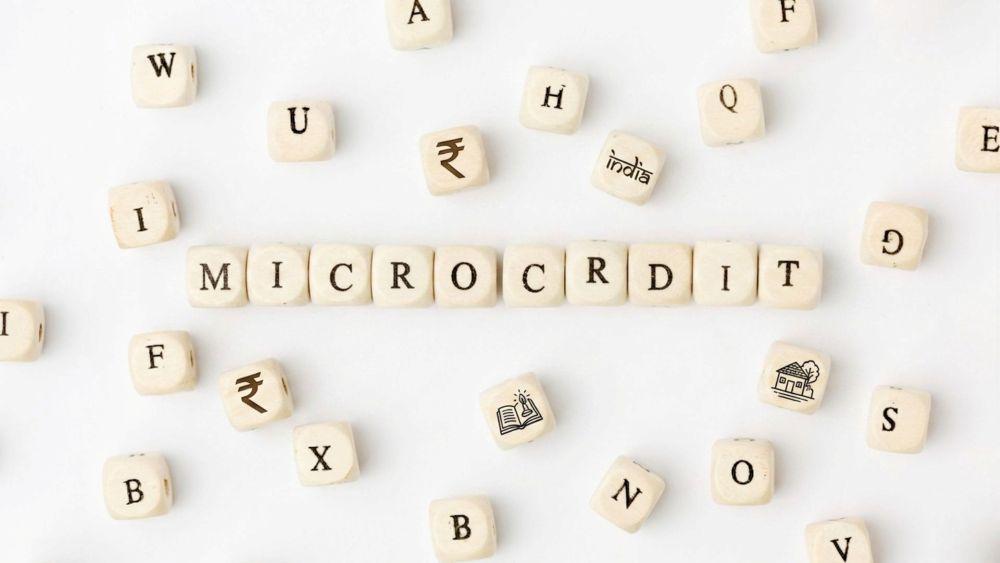
Micro credit means small loans given to people who cannot easily get loans from banks. These loans are mostly for low income individuals living in villages and small towns. The main purpose is to help them start or grow small businesses.
Micro credit became popular after Muhammad Yunus started the Grameen Bank model. This system focused on giving small loans without heavy paperwork or collateral security.
In India micro credit became more popular in the 1990s. Today many Microfinance Institutions also called MFIs and Self Help Groups provide these loans to people who need financial support.
Why Is Micro Credit Important in India?
India has millions of small business owners and daily wage workers who do not have access to proper banking services. Many people still depend on local money lenders who charge very high interest rates. Micro credit gives these people a safer and more affordable option.
Micro credit also supports financial inclusion. It helps poor and middle-income families join the formal banking system. This improves savings habits and financial awareness.
Women in rural India are among the biggest users of micro credit. Many women use these loans to run tailoring shops, beauty parlours, food businesses and handicraft work from home.
How Micro Credit Works
The process of micro credit is simple and easy to understand. Microfinance institutions provide small loans without asking for large collateral or complicated paperwork.
In many cases borrowers form groups where every member supports each other. If one person does not repay the loan then the entire group may face difficulties getting future loans. This creates trust and responsibility among borrowers.
Most borrowers use the money for small businesses like grocery shops, farming, dairy work, tea stalls, mobile repair shops or vegetable selling. The repayment is usually done in small weekly or monthly installments.
Simple Steps in Micro Credit Process
- Borrower applies for a small loan
- Institution checks basic documents
- Loan amount gets approved
- Money is transferred to borrower
- Borrower repays in small installments
Real Life Example of Micro Credit
Sunita from Bihar wanted to start a tailoring business from her home. She did not have enough money to buy a sewing machine. Through a women self-help group, she received a small micro credit loan.
She purchased a sewing machine and started stitching clothes for people in her village. Within one year her monthly income increased and she also trained two other women in tailoring work.
This shows how small loans can create big changes in people’s lives. Micro credit not only supports income growth but also creates employment opportunities in local communities.
Features and Benefits of Micro Credit
Micro credit comes with many useful benefits especially for low-income families and small business owners.
Main Features of Micro Credit
| Feature | Details |
|---|---|
| Small Loan Amount | Easy funding for small needs |
| Collateral Free | No property security required |
| Easy Approval | Less paperwork compared to banks |
| Flexible Repayment | Weekly or monthly installments |
| Repeat Loan Option | Bigger loan after good repayment history |
Micro credit helps people become financially independent. Instead of depending on others they can earn through self-employment and small businesses.
Another major benefit is faster loan access. Traditional bank loans may take a long time but micro credit loans are often processed quickly.
Types of Micro Credit
There are different types of micro credit services available in India.
- Microloans: These are small business loans offered without collateral. People use them for shops, farming, tailoring, food stalls and other work.
- Micro Savings: These services encourage people to save small amounts regularly. It helps families prepare for emergencies and future expenses.
- Micro Insurance: This service provides low-cost insurance coverage for illness, accidents or unexpected financial problems.
Micro Credit Channels in India
Micro credit mainly works through Self Help Groups and Microfinance Institutions in India.
The National Bank for Agriculture and Rural Development launched the Self Help Group Bank Linkage Programme in 1992. This program mainly supports women from economically weaker families.
Microfinance Institutions also provide loans to individuals and small groups in villages and semi urban areas. Today digital banking and mobile apps have made the process even easier.
How Micro Credit Helps Small Businesses
Small businesses play a very important role in India's economy. Many people want to start businesses but they do not have enough capital. Micro credit solves this problem by providing small and manageable loans.
For example, a vegetable seller can buy extra vegetables during festival time. A dairy farmer can also buy one more cow to increase milk production. A mobile repair shop owner can buy better tools. These small improvements can increase monthly income significantly.
Micro credit also creates local employment. When small businesses grow, they often hire more workers from nearby areas which supports the local economy.
Challenges of Micro Credit
Even though micro credit has many benefits there are still some challenges. Some borrowers use the loan money for daily household expenses instead of business growth. This can make repayment difficult later. Some institutions also charge higher interest rates compared to traditional banks because they take higher lending risks.
Lack of financial awareness is another challenge in rural areas. Many people still do not fully understand how loans and repayments work.
Tips Before Taking Micro Credit
Before applying for a micro credit loan people should keep a few important points in mind.
Things to Remember
- Borrow only the amount you really need
- Use the loan mainly for income growth
- Check repayment terms carefully
- Compare interest rates from different lenders
- Pay installments on time to build trust
These simple steps can help borrowers avoid financial stress and improve their credit history.
Future of Micro Credit in India
The future of micro credit in India looks strong because digital banking is growing quickly. Many people in villages now use smartphones and online payment systems.
Online financial platforms like RatingOK are helping users understand loan options and financial products in simple way. This improves financial awareness and helps people make better decisions.
Government support financial inclusion programs and digital technology are expected to increase the reach of micro credit in the coming years.
Bottom Line
Micro credit is an important financial tool for people who cannot access traditional bank loans. It supports small businesses self-employment and financial independence across India.
From tea stall owners and farmers to women entrepreneurs and shopkeepers millions of Indians are improving their lives through small loans. With responsible borrowing and proper financial awareness micro credit can continue creating positive social and economic impact in the Indian market. Start your Micro Credit journey today with RatingOK. Compare different options and apply easily in just a few simple steps.


Leave a Reply