
PIN vs Contactless: What’s Safer for Your Credit Card?
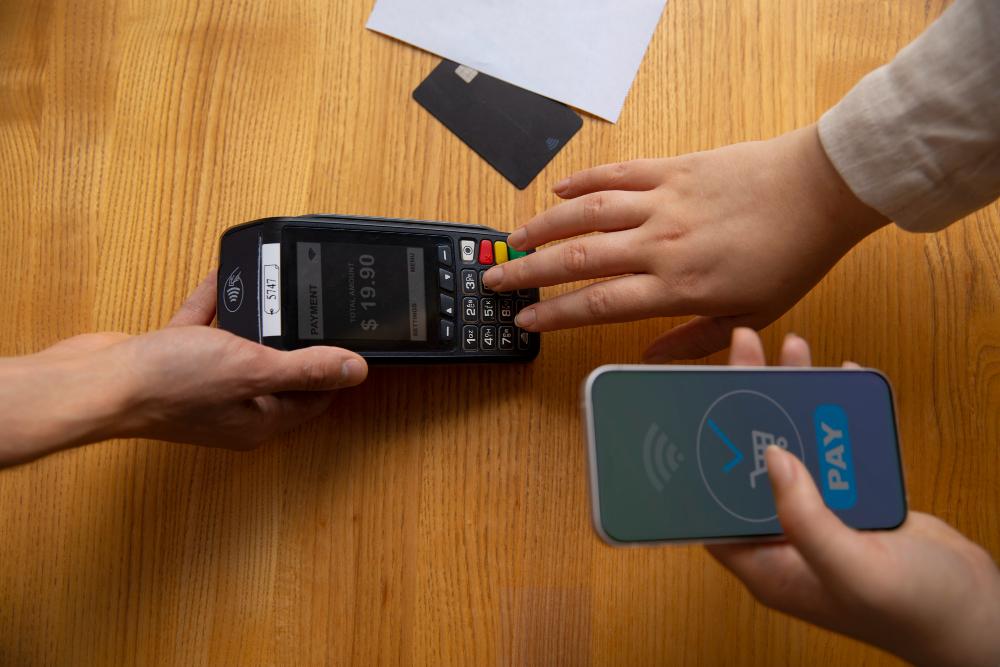
Credit cards have become a common and important tool for daily money transactions in India. From shopping online to paying at restaurants or booking tickets, they make payments simple and cash-free. People always think about safety first whenever money is involved. The two most common ways to pay with a credit card are either by entering a PIN or by simply tapping the card for a contactless payment.
Now, many card users wonder which method is safer? Should you always rely on your PIN, or can you trust tap-and-pay? To answer that, let’s look at how both options work and what makes them secure.
How PIN Payments Work
When you pay with a PIN, you need to insert your card into the machine and type in your secret four-digit code. The bank checks this code instantly and only approves the payment if it matches. If your card gets stolen, no one can use it without knowing your PIN.
In India, the Reserve Bank of India requires cardholders to enter a PIN for most transactions. This is why PIN-based payments are considered safer, especially for big amounts like booking flight tickets, buying gadgets, or paying hospital bills. Basically, your PIN is like a secret key that keeps your money safe.
But safety also depends on how careful you are with your PIN. Many people make the mistake of writing it down or sharing it with someone they trust. If your card and PIN are both exposed, it’s almost like handing over your wallet. So, while PIN payments are secure, their safety really lies in how responsibly you handle them.
Why Contactless Cards Are Growing in India
People like using contactless payments since they make paying faster and more convenient. You can simply tap your card on the machine, and the payment is done without entering a PIN. You can pay up to ₹5,000 without needing to enter your PIN. This saves time when you’re in a rush at a grocery store, metro gate, or café.
Another reason they’re catching on is hygiene. You don’t have to touch the keypad that dozens of other people are using. This became especially important during COVID-19, when everyone wanted touch-free ways of paying. On top of that, your card stays in your hand during the transaction, which means it is harder for fraudsters to copy or “clone” your card details.
The downside is that if you lose your card, someone could use it to make small purchases without a PIN. But the good thing is that banks in India keep a close watch on unusual spending and let you block your card instantly through mobile apps or customer care.
Benefits of Paying Without a PIN
- Contactless payments are faster because you can pay instantly without entering a PIN or swiping your card. A normal PIN payment takes a little longer but tap-and-pay is almost instant. Useful when you’re in a rush.
- It’s also widely accepted in many countries abroad. So if you’re traveling, a contactless card saves you from the hassle of carrying cash or worrying about PIN machines not working.
- Another advantage is safety from infection. Since you don’t need to touch the keypad, you avoid the germs that could spread when hundreds of people press the same buttons daily. Plus, there’s lower risk of your card being cloned because it doesn’t leave your hand during the payment.
Is Paying Without a PIN Safe?
Using your card without a PIN may initially feel like it’s not very safe. What if you lose it? Won’t anyone be able to use it? Luckily, banks have set limits to make sure this risk is low. In India, you can make contactless payments up to ₹5,000 in a single tap, as allowed by the Reserve Bank of India. If the purchase amount is more, the machine will ask for a PIN.
You can also take control by setting your own spending limits. Most banks let you decide how much you want to allow per transaction for POS machines, online shopping, and even international payments. If someone steals your card, you can quickly block it by calling your bank or using your banking app. From that point onward, you bear no liability for any unauthorized or improper use.
So yes, paying without a PIN is safe, as long as you keep an eye on your card and use the limits your bank offers. It gives you speed and convenience without taking away security.
PIN vs Contactless: Which Should You Use?
Both methods are safe in their own way. PIN is stronger for large payments because it needs your active approval every time. Contactless is better for quick daily payments, where speed and hygiene matter more than entering a code.
Contactless payments are an ideal choice for everyday expenses such as shopping, groceries, metro travel, and fuel purchases. For higher-value expenses, stick to PIN for added safety. The good news is that RBI rules already make this balance for you – you can only tap up to ₹5,000, and beyond that, you must use your PIN.
How to Stay Safe With Credit Cards
Whichever way you use your card, following a few simple rules will keep you safe. Keep your PIN strictly confidential and avoid recording it anywhere to ensure security. Enable SMS or app notifications so you get an alert whenever a payment happens. Report anything strange or suspicious right away to someone nearby.
With contactless payments, it is important to keep your card in your possession at all times and set transaction limits that align with your comfort and security preferences. Check your monthly statements carefully, even for small payments. Sometimes fraud starts with minor transactions before moving to bigger amounts.
By staying alert and using the tools banks provide, you can enjoy both the speed of contactless and the safety of PIN payments without worry.
Final Thoughts
So, what’s safer: PIN or contactless? The real answer is both are safe when used correctly. PIN is like your security guard for big-ticket items, while contactless is your fast pass for small daily purchases.
The smartest way is to use a mix of both – tap when you need quick convenience, and enter your PIN when the amount is large. With RBI’s rules, bank alerts, and your own caution, credit cards in India are secure enough to use every day. Technology is here to make life easier, but the final safety still depends on how wisely you use it.



Leave a Reply