
How to Improve Credit Score for Better Personal Loan Rates

In the India, your credit score plays a major role in deciding your financial future. Whether you are applying for a personal loan credit card or any other form of credit your credit score is checked first. It helps lenders understand how responsible you are with borrowed money.
A good credit score makes it easier to get personal loans at lower interest rates. A poor score can result in higher interest costs or even rejection. Many people know this but do not clearly understand how credit scores work or how to improve them in a practical way.
How Age Impacts Your Personal Loan Eligibility in India?

If you are planning to take a personal loan in India, you might think that only your salary and credit score matter. But there is one more important factor that many people ignore, and that is your age. Age plays a big role in personal loan approval. It helps banks and NBFCs understand your earning stage and repayment ability. In simple words, lenders use your age to check whether you can repay the loan on time without any problem.
Here, you will understand how age affects your personal loan eligibility in India in a very simple and practical way.
7 Smart Ways To Get a Personal Loan With a Low CIBIL Score
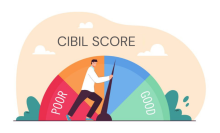
Getting a personal loan in India with a low CIBIL score can feel stressful. Many people think that once their score goes below 700, they will not get a loan at all. This mindset prevents them from even giving it a try. But the truth is different.
A low CIBIL score does not mean rejection. It simply means you need to be a little smarter while applying. Today, many lenders look beyond just your credit score. They also check your income, your job, and how you manage money now.
How to Use a Personal Loan as a Freelancer to Boost Income

Freelancing is becoming very popular in India. Many young people now choose it because it gives freedom. You can work on your own schedule, choose your clients, and work from anywhere. But this freedom also brings challenges. Freelancers don’t have a fixed salary, so some months are high-earning, and some months are very low.
Cities like Delhi, Mumbai, Pune, and Bengaluru have many freelancers who face this reality. This is when a personal loan can come in handy. It can give you money to manage work and personal expenses when income is irregular.
Top 10 Common Mistakes to Avoid When Applying for a Personal Loan

A personal loan is one of the easiest ways to get money for things like weddings, home repairs, travel, or medical emergencies. You do not need to provide any property or security, and banks or NBFCs in India give fast approval with simple papers.
Even though getting a personal loan looks easy, many people make mistakes. These mistakes can delay approval or make the loan cost more. Knowing these mistakes and avoiding them can make your loan process smooth and stress-free.
What are the Pros and Cons of Personal Loans?

Personal loans have become one of the most popular credit options in India. Whether it is a medical emergency a home repair a wedding requirement or a sudden expense most people look for a quick and simple way to access funds. Personal loans offer fast approval easy documentation and complete flexibility on how the money is used. These benefits make them convenient but they also come with some risks that every borrower must understand.
Top 10 Risks of Unsecured Personal Loans in India

Unsecured personal loans have become a common financial solution for millions of Indians. Studies show that about 67% of people in India have taken a personal loan to manage their financial needs. The popularity of these loans lies in their speed, ease of application, and the freedom to use the funds for any purpose. From medical emergencies and weddings to travel and home repairs, unsecured personal loans provide instant financial support.
What to Do If Your Closed Loan Is Not Reflected in CIBIL?

Many borrowers feel confused when a loan that has already been fully paid still appears as Active in their credit report. This issue is common in India. It does not necessarily mean that there is an issue with your payment every time. In most cases, it happens due to reporting delays between the lender and the credit bureau.
If you have completed all EMIs and collected your closure documents but your loan is not showing as Closed in your CIBIL report, you should follow a simple step by step process.
What Is a Debt Trap and How You Can Recover from It?

Debt has become a common part of daily life in India. Loans credit cards and BNPL (Buy Now Pay Later) services offer quick access to money. This makes it easy to spend without thinking much. But this comfort comes with a silent risk. Many people begin with small EMIs yet soon end up carrying many loans at the same time. Over time their income fails to handle the pressure. Monthly budgets become tight and savings start shrinking.
What Is Repo Rate? Simple Meaning and How It Impacts You

If you watch business news or read about bank updates in India, you must have heard the term repo rate many times. It usually comes up when the Reserve Bank of India announces changes in interest rates. For many people, repo rate sounds confusing and technical, but the idea behind it is actually very simple.
10 Strategic Ways to Improve Your Personal Loan Eligibility Fast

Personal loans have grown rapidly in India. Millions of people now depend on personal loans for education, medical emergencies, travel, home upgrades, weddings, business support and other urgent needs. This category of lending is popular because there is no collateral or security. You do not need property documents or gold. You only need to meet the lender’s personal loan eligibility rules.
Personal Loan or Business Loan: Which One Is Right for You?

Choosing the right loan is not just about getting approval. It is about selecting a financial product that truly matches your purpose. In India many borrowers get confused between a personal loan and a business loan because both provide quick access to funds. However, the structure, eligibility, documentation, and long-term impact of these loans are very different.
If you are wondering whether you should apply for a personal loan or a business loan, this detailed guide will help you make a confident and informed decision.
NBFC or Bank: Which Personal Loan Is Right for You

Financial needs can arise anytime in life. It might be a sudden medical expense, a home renovation plan, or a dream vacation. In such situations, personal loans become the quickest way to arrange money. In India, you can apply for a personal loan either from a traditional bank or a Non-Banking Financial Company, also known as an NBFC.
Personal Loan Insurance: Everything You Should Know in India

Personal loans are very common in India today. Many people take personal loans to manage different financial needs such as medical emergencies, weddings, travel, home renovation, education fees, or even to consolidate existing debts like credit card dues. The biggest reason for their popularity is that they are unsecured loans. This means you do not need to provide any collateral such as property or gold. The approval process is usually fast, paperwork is minimal, and the loan amount is disbursed quickly.
Should You Take a Personal Loan for Home Renovations?

Home renovations are exciting but can be expensive. A leaking roof, broken tiles, a worn-out kitchen, or outdated bathrooms can make your living space uncomfortable. If your home needs urgent repairs and you do not have enough savings, taking a Personal Loan for home renovation may be a solution. Personal Loans provide quick access to funds and can help you complete your renovation without waiting to save money. However, before taking a loan, it is important to understand the pros and cons and determine if it is the right choice for you.