
How Fintech and Credit Cards Are Transforming Rural India?
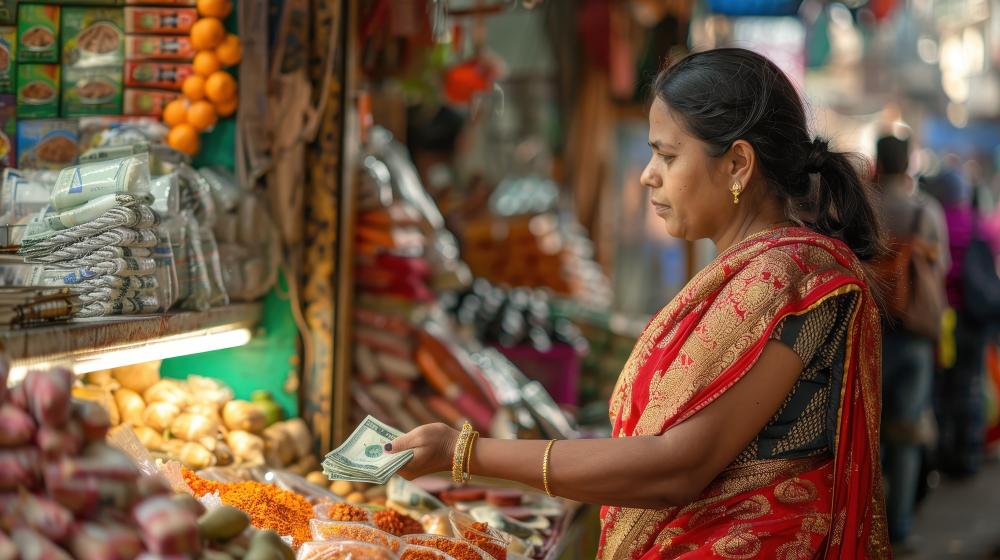
India is going through a big digital change, and it’s not just in the cities. Fintech companies and credit cards are helping people in villages and small towns access modern financial services. What was once only available in urban areas is now reaching even the most remote parts of the country.
Earlier, banks found it hard to serve rural areas due to faraway branches, too much paperwork, and lack of awareness. But now, with a mobile phone and internet, villagers can open bank accounts, send money, pay bills, and even apply for loans from home. Digital KYC and Aadhaar verification have made it easy to get credit cards too. Today, even farmers and small shop owners are using them to manage their finances.
Empowering Everyone with Finance
Fintech platforms are using smart technology to make banking easier for everyone, especially in rural areas. Apps like PhonePe, Paytm, BharatPe, and Google Pay are now being used even at small kirana shops. People can pay using QR codes or UPI without needing cash. Aadhaar-linked services allow fingerprint verification, so even those who can't read or write can use banking features safely and easily.
Government programs like Jan Dhan Yojana and Digital India are supporting this shift. With these efforts, even farmers now receive subsidies directly in their bank accounts, daily wage workers can save securely, and small vendors can collect payments without needing a card swipe machine. It’s fast, safe, and convenient no matter where you live.
Impact of Credit Cards on Rural Customers
Credit cards, once considered a luxury for city folks, are slowly making their way into rural homes. Many banks now offer credit cards with small limits and basic features, perfect for people using them for the first time. Some of these are even backed by fixed deposits or savings accounts to reduce risk and build trust.
One big benefit is that credit cards help build a credit history. For rural customers who never had access to formal loans, this is a big step forward. With a good credit profile, they can now apply for loans in the future whether it’s for buying a tractor, starting a shop, or paying medical bills. It also gives them a financial identity they never had before.
Credit card usage also leads to better money management. People get familiar with tracking expenses, setting limits, and avoiding unnecessary purchases. Many apps linked to these cards send reminders for due dates and offer cashbacks and rewards for regular use. Over time, rural users become smarter with money just like urban users.
Empowering Women and Small Businesses
One of the most inspiring changes is how fintech and credit cards are helping rural women. With digital wallets and access to small loans, many women are now running businesses from home such as tailoring, farming, or selling homemade food. They no longer have to depend on informal moneylenders or borrow from relatives.
Self-help groups (SHGs) and local banking collectives are also using digital tools to manage savings and give out small loans. This is improving household income and helping families invest in children’s education, better healthcare, and improved living standards. A silent change is happening in India’s villages, slowly improving people’s lives through better access to financial services.
Challenges Ahead in the Future
While the progress is encouraging, there are still some hurdles to overcome. Many villages still don’t have good internet and not everyone has a smartphone. Even if people have access to technology, many of them still don’t know how to use it properly. People may have the tools, but not everyone knows how to use them safely.
Another concern is responsible credit usage. For those new to credit cards, understanding interest rates, repayment deadlines, and debt management is important. If not guided properly, some users may fall into a debt cycle. That’s why fintech companies and banks need to focus not only on offering credit, but also on educating users about how to use it wisely.
Bottom Line
Fintech and credit cards are helping India move toward true financial inclusion. They are giving people in rural areas the same tools, choices, and opportunities that were once only available in cities. From empowering women to supporting small businesses, these changes are bringing financial freedom to millions.
To make this transformation last, we must continue building digital infrastructure, spreading financial education, and making services user-friendly for everyone no matter where they live.



Comments
Very effective information👍…
Very effective information👍
Thanks rating OK for sharing this article.
Leave a Reply